

What can you do with an electronics and automation engineering technology degree?
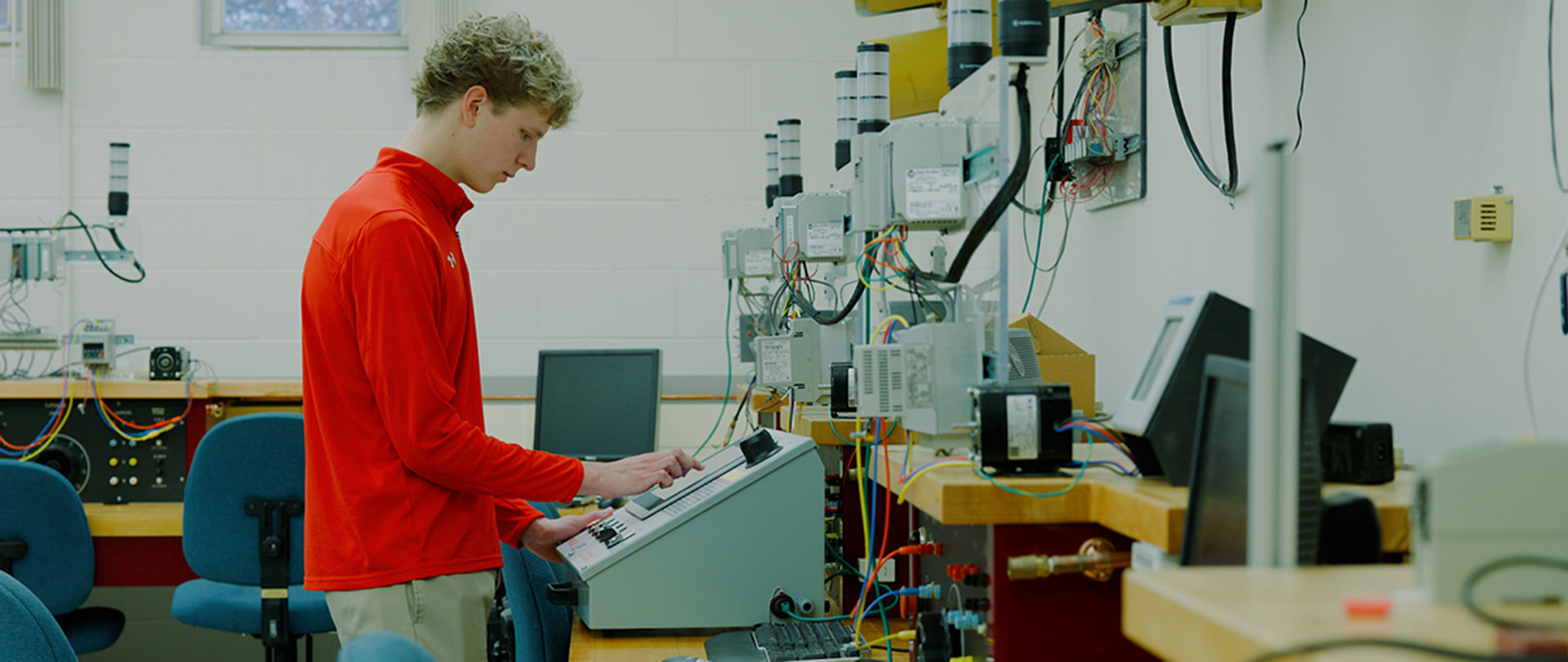
Earning an electronics and automation engineering technology degree can set you on the path toward a high-demand, technology-driven career. Combining electronics, automation, and problem-solving, this field powers the systems behind everything from smartphones and vehicles to robotics and advanced manufacturing.
At Ferris State University, students in the Electronics & Automation Engineering Technology (EAET) program gain the hands-on experience needed to design, build, and troubleshoot real-world systems.
The EAET program blends core technical knowledge with practical application. Students work directly with circuits, instrumentation, and automated systems in lab environments from the start of the program. This interactive approach helps graduates develop the technical expertise and problem-solving skills needed to succeed across industries.

Building career-ready skills through hands-on learning
A key advantage of the EAET program is its focus on applied learning. Students do more than study concepts. They actively build, test, and troubleshoot systems in lab settings starting in their first year.
Students build circuits, experiment with components, and see how systems behave in real time. This helps bridge the gap between theory and real-world applications while building confidence with technical skills.
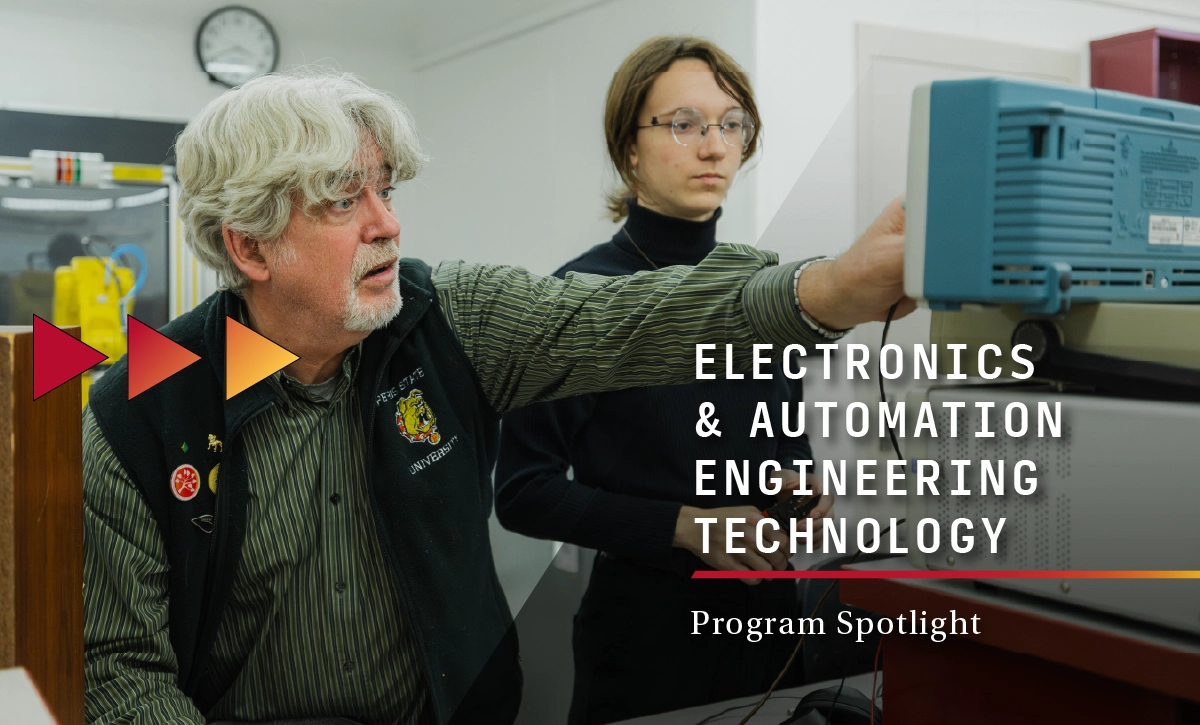
As Robert Most, Associate Professor of the EAET program, explained, “Our students get the theory in class, but then they're in the lab making that theory do something useful.”
Students benefit from small class sizes and faculty-led labs, creating an environment where they can ask questions, experiment, and gain experience that translates directly to the workplace.
Students often point to this early exposure as a major advantage, especially compared to more traditional, theory-heavy programs.
As Croix Klint, a student in the program, shared, “You are not just sitting in a classroom. You are actually building things and seeing how everything works, which makes it easier to understand how everything connects.”
Develop in-demand problem-solving skills
In addition to technical knowledge, the program emphasizes critical thinking, teamwork, and communication. These skills are essential in today’s fast-paced technology fields.
Through lab work, group projects, and real-world challenges, students learn how to approach problems, test solutions, and adapt when things do not go as planned.
As Most noted, “It is okay to break things. That is how you learn how they work.”
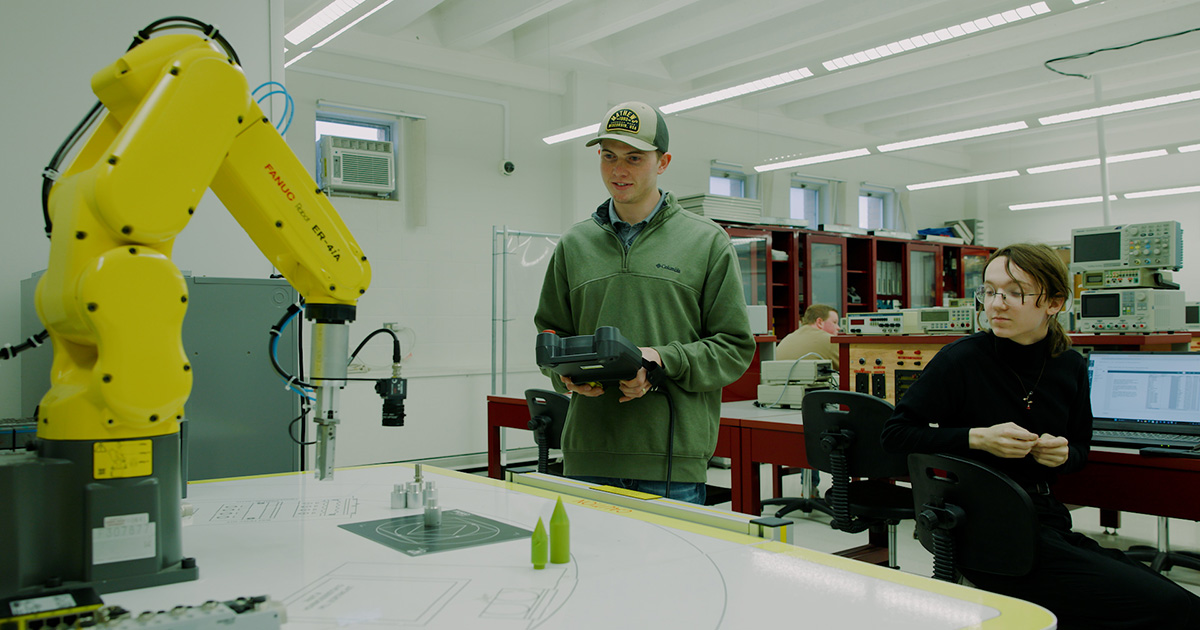
This mindset encourages students to think creatively and build resilience. Graduates leave the program prepared to solve complex problems and collaborate effectively in professional environments.
Rose Trudell explained, “You learn how to troubleshoot and figure things out, not just follow steps, which really helps prepare you for what you’ll face in a career.”
Gain real-world experience and industry connections
The EAET program is designed to prepare students for careers before they graduate. A required internship during the junior year provides valuable, hands-on industry experience.
Students connect with employers through internship fairs, faculty networks, and program connections. These opportunities often lead to multiple internships and full-time job offers.
As Most explained, “We have 100% placement of our graduates… most of our students have multiple job offers upon graduation.”
Graduates enter the workforce with experience, confidence, and a competitive edge.
career paths with an eaet degree
One of the biggest advantages of an electronics and automation engineering technology degree is its versatility. Graduates are prepared to work in industries that rely on electronics and automated systems.
Common career paths include:
- Automotive systems and manufacturing
- Aerospace and defense
- Semiconductor and electronics development
- Robotics and automation
- Audio engineering and sound production

The field also offers opportunities to combine technical skills with creative interests. Students interested in music or audio can apply their knowledge to sound engineering and production.
Graduates of the EAET program are prepared for high-demand careers across industries.
Common job title include:
- Electronics Engineering Technologist
- Automation or Controls Specialist
- Robotics Technician
- Manufacturing or Process Engineer
- Field Service Engineer
- Test of Quality Engineer
Career Outlook