July 3, 2026
Ferris State Welding Engineering students faced national competition in Cast in Steel challenge
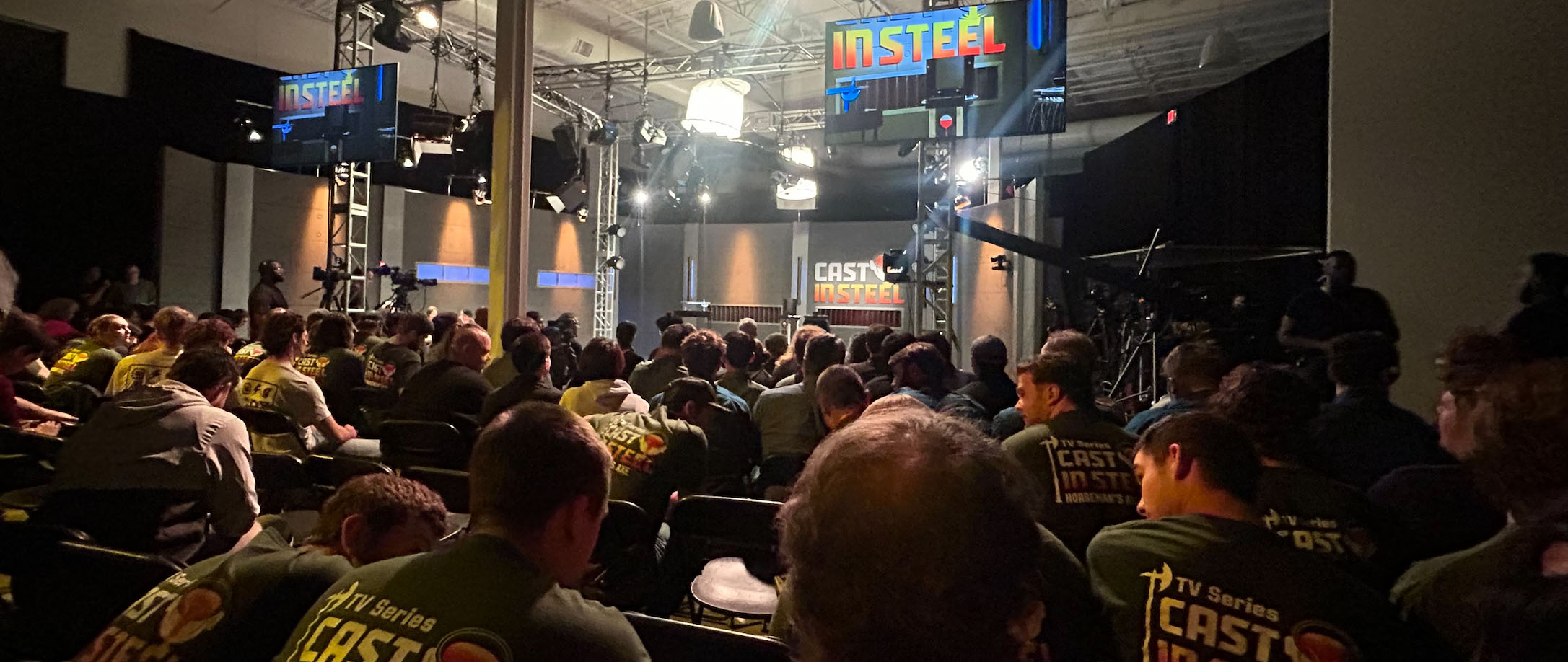
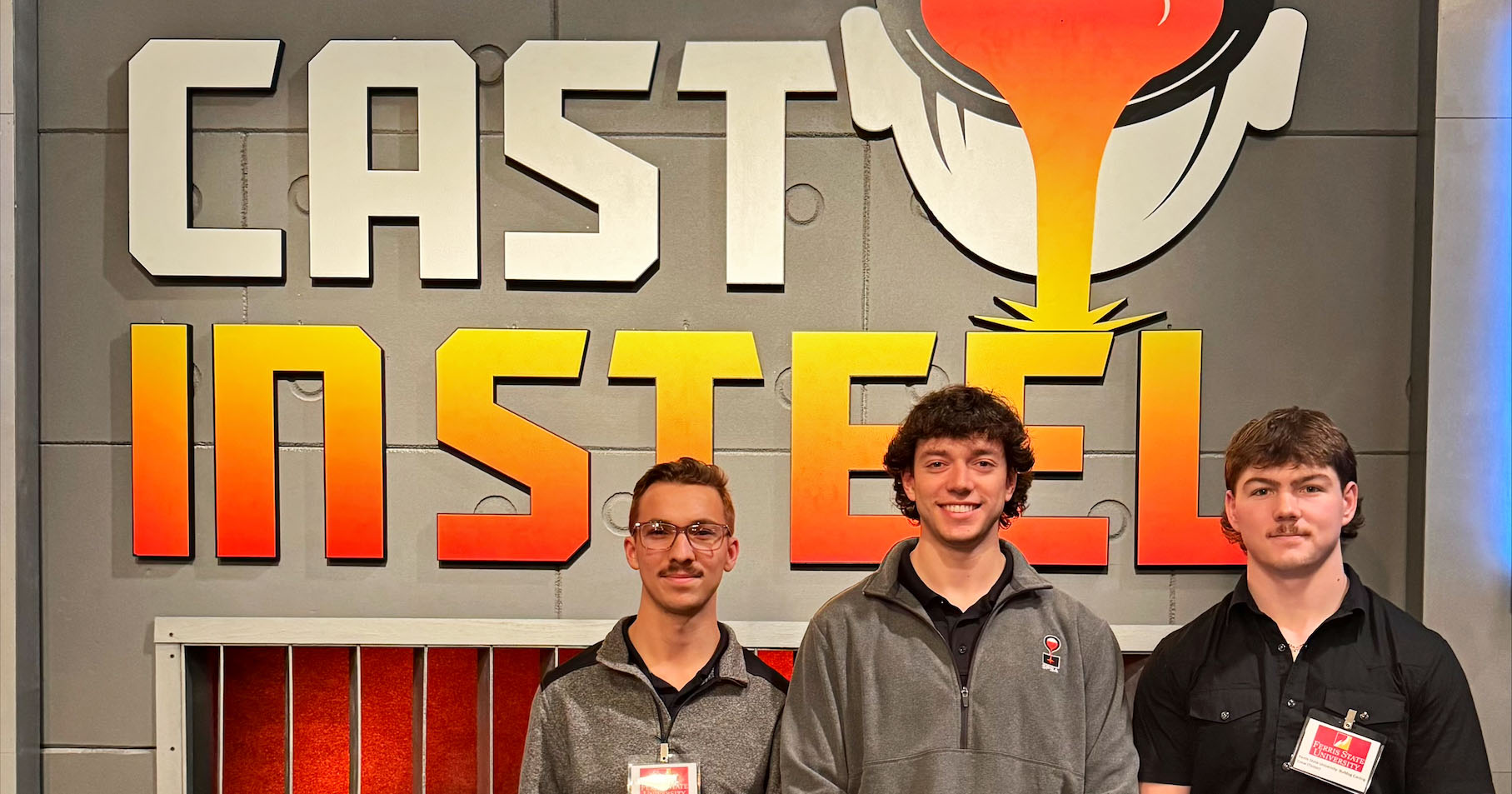
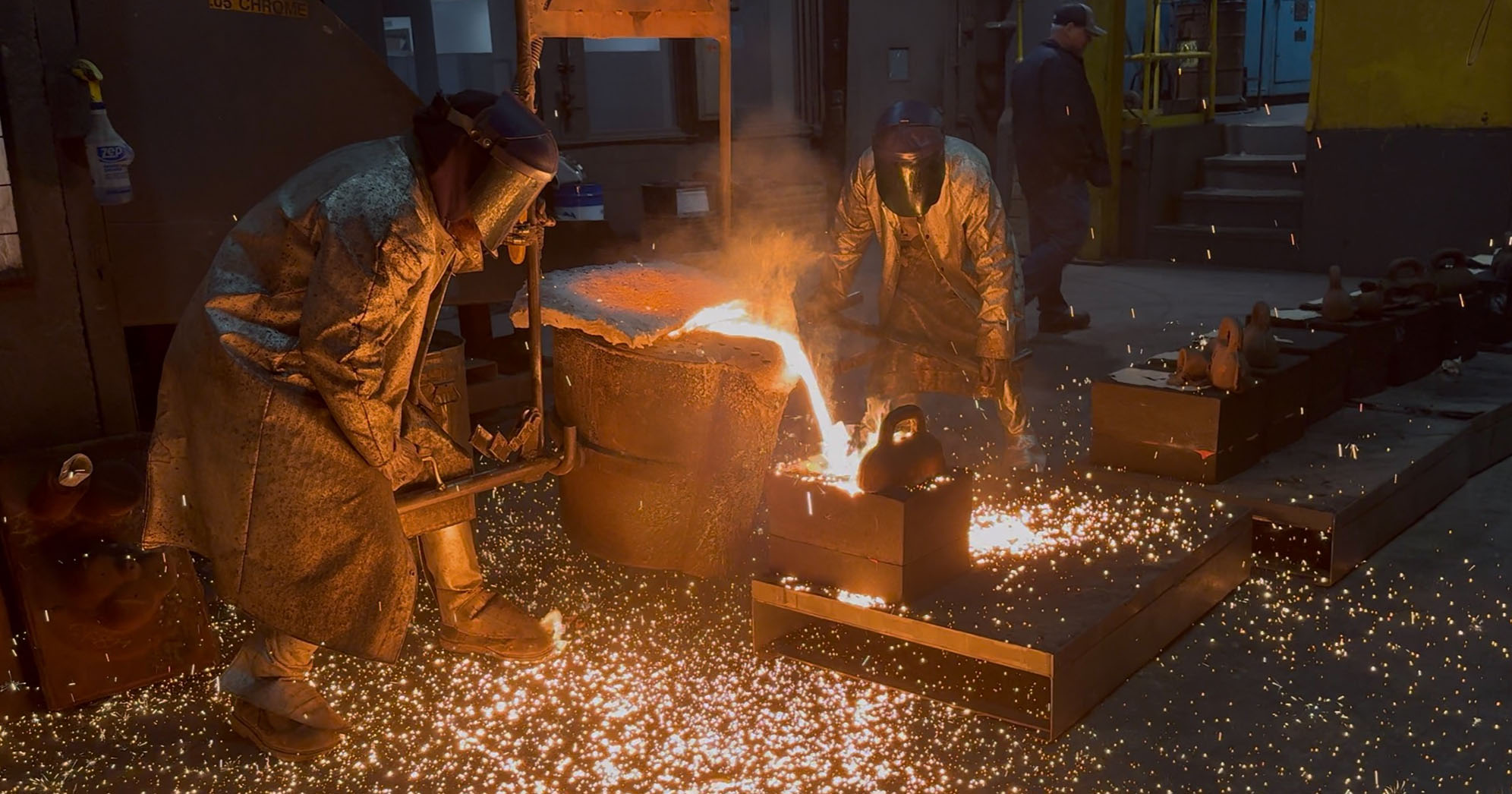
Three Ferris State University Welding Engineering Technology students competed to test an ax they had cast from scratch — one of dozens of university teams nationwide competing in Cast in Steel, a casting competition expanding this year into a national television series.
Nate Willcutt, Connor Kirby and Cody Sype, all entering their senior year this fall, built the ax for the Steel Founders' Society of America's 2026 Cast in Steel competition, which challenged teams to cast a horseman's ax modeled on the weapon that, according to legend, Robert the Bruce wielded at the Battle of Bannockburn in 1314.
It was Ferris State's first time fielding a team, and the competition put the Welding Engineering Technology program in front of a national field of established manufacturing schools.
Ferris State founded its program in 1984, and it has grown into the largest program of its kind in the country. It is accredited by the Engineering Technology Accreditation Commission of ABET.
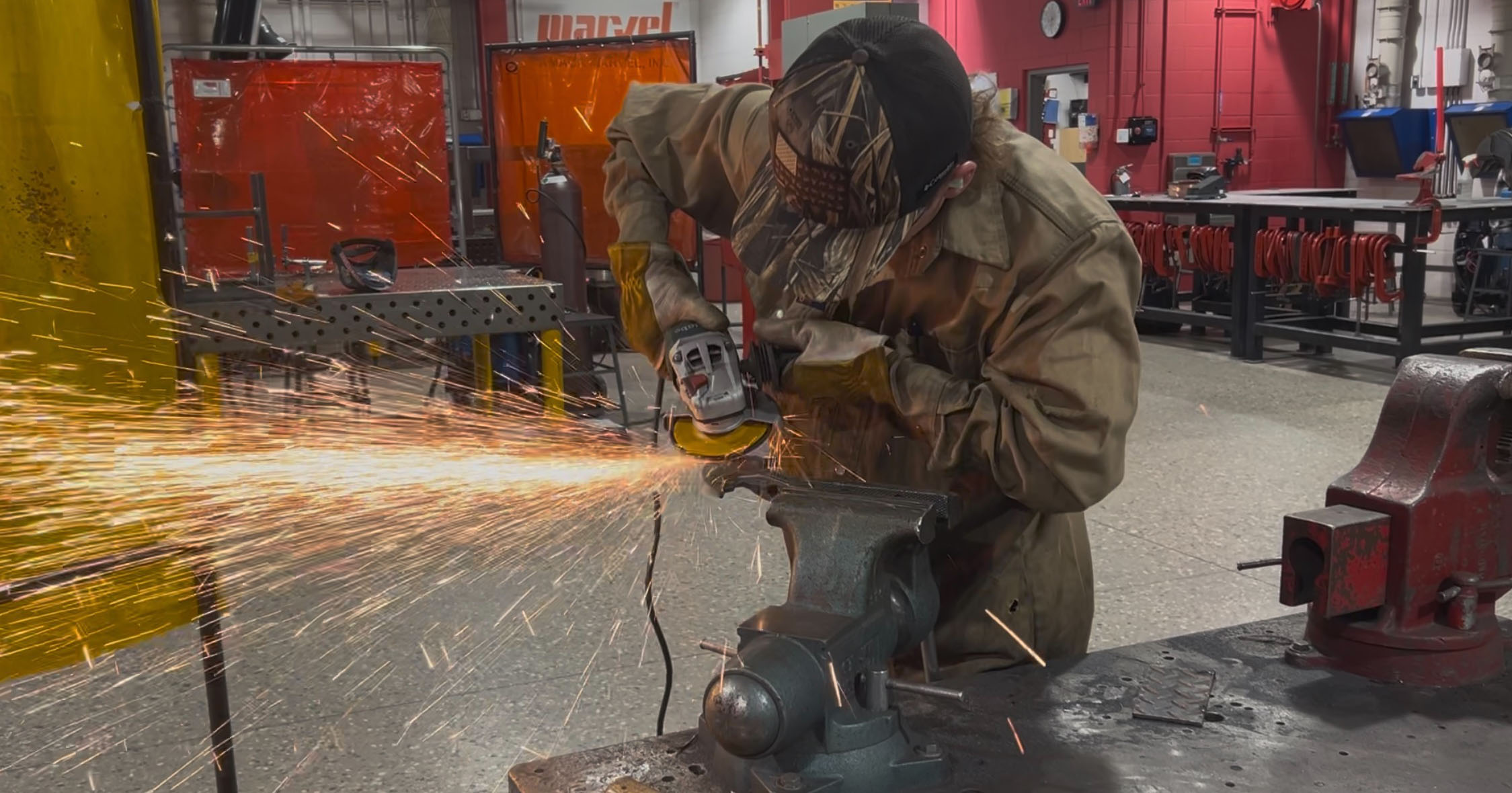
Today the program's laboratories include equipment for inspection, mechanical and nondestructive testing, robotics, laser processing and resistance welding — the same disciplines that put the team's handle, and its lesson, to the test in Grand Rapids.
Willcutt, who designed the handle, researched materials typical of the ax's era and chose oak. He packed extra material where the handle met the head, reasoning it would reinforce the connection.
"The first thing I thought was, 'Oh no,'" Willcutt said of the moment a judge broke the handle during testing. "I then thought about our construction, how we attached the head to the handle."
The added material worked against the design instead of for it.
"That actually hurt the performance in the long run," Willcutt said. "The abrupt transition created a stress riser, along with the grain orientation the handle could not withstand the force."
 The competition allows no second chances once a piece fails testing. But the team had poured
extra castings during production, and afterward, on their own, Willcutt and his teammates
reworked the handle without the notch. The redesigned version held up better in their
follow-up testing.
The competition allows no second chances once a piece fails testing. But the team had poured
extra castings during production, and afterward, on their own, Willcutt and his teammates
reworked the handle without the notch. The redesigned version held up better in their
follow-up testing.
Willcutt said the biggest lesson wasn't technical. The team reached out to several museums and blade makers for guidance and got no response; Ferris State faculty, by contrast, backed the project at every turn.
"Getting more people from the school involved will help a lot," Willcutt said. "We will definitely be taking advantage of that more."
Any school can enter Cast in Steel without a formal invitation, Willcutt said, and next year's team plans to recruit more broadly across campus.
The field was substantial. The Steel Founders' Society of America reported that 58 teams from 36 universities competed this year for a $25,000 grand prize. Cast in Steel's first television season, covering last year's sword-casting competition, premieres July 9 on YouTube.
Mark Prosser, director of Ferris State's School of Design and Manufacturing, said he has already put in a bid to get Ferris State included when producers film next year's competition.