
A look inside Ferris State’s Simulated Lab for Medical Laboratory Science
When you walk into a medical laboratory, you will be struck by the quiet hum of machines, rows of microscopes, and shelves of testing agents and supplies. For many of us, clinical labs remain unfamiliar spaces, with most of our healthcare experiences based in doctors’ offices. Yet behind the scenes, medical laboratories play a vital role in patient care, providing the insight clinicians rely on to make informed medical decisions.
Scientists analyze blood, tissues, and bodily fluids to detect and treat diseases. One common test is the Complete Blood Count (CBC), which measures the types and numbers of cells in a patient's blood. This test helps determine a person’s general health status and can diagnose conditions such as anemia, leukemia, and infections.
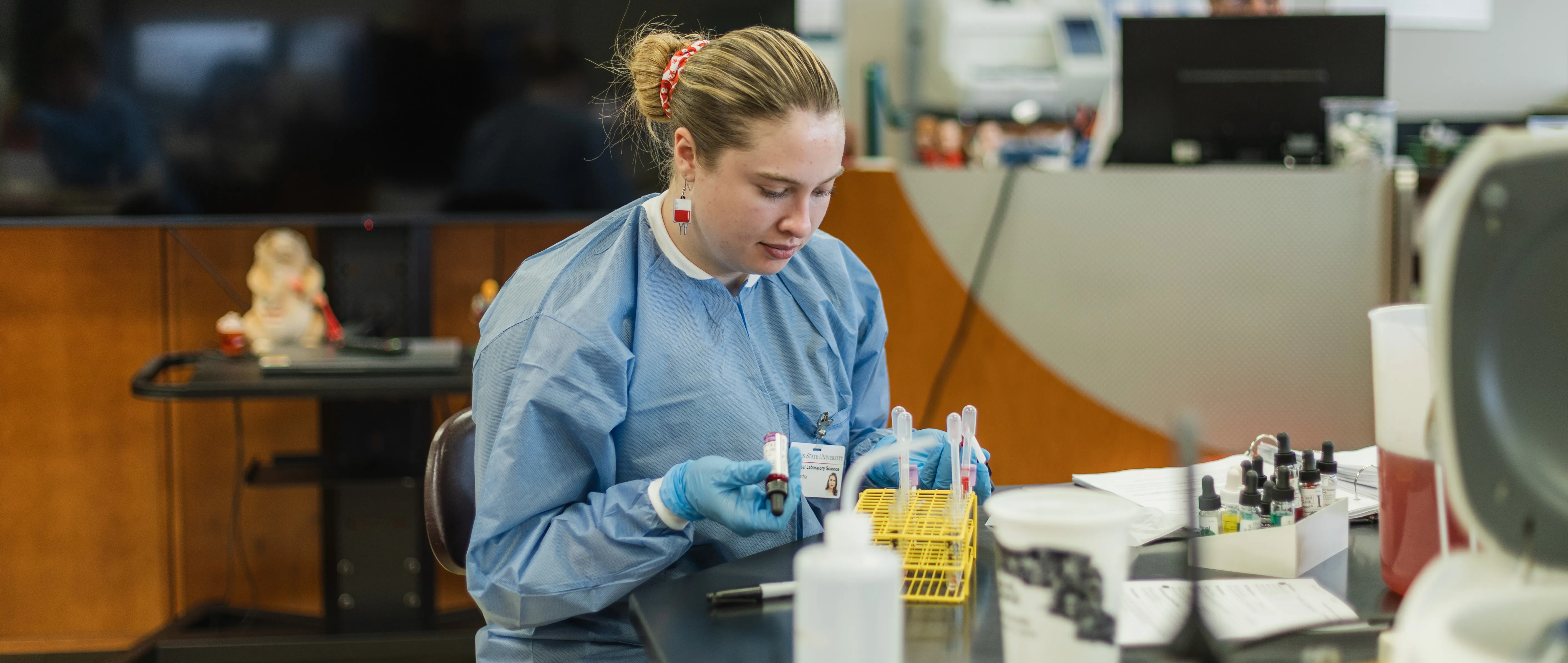
The simulated lab (SIM lab) at Ferris State is a unique feature of the Medical Laboratory Science program. From ordering samples to testing, the immersive environment allows students to operate like a functioning medical laboratory, mirroring a real clinical setting. Medical Laboratory Science student, Samantha Krul said, “The SIM lab prepares you for the real world because it runs like a real hospital. You have to figure things out on your own, and you’re in control of whatever department you are.”
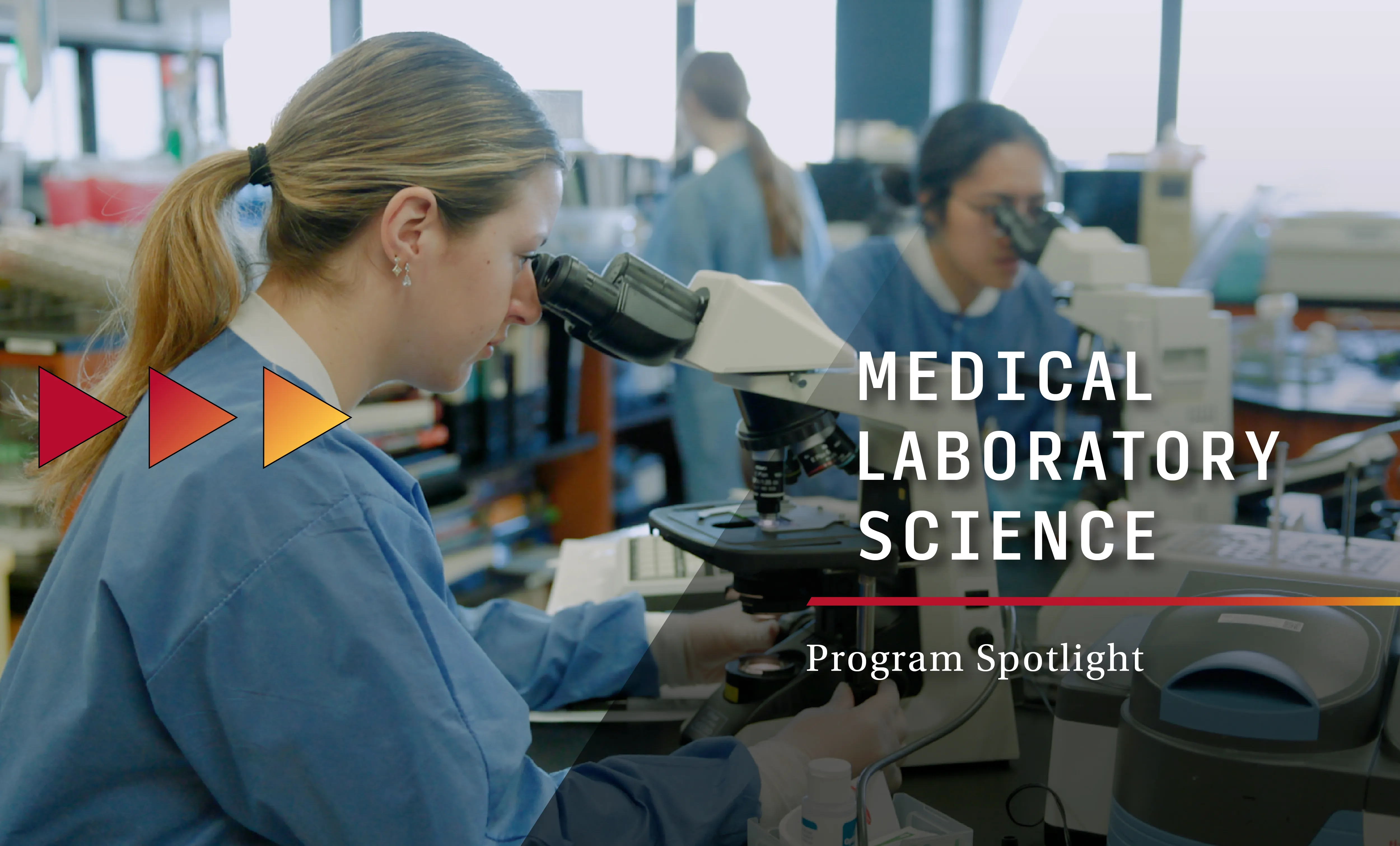

Associate Professor and the Medical Laboratory Science Program Coordinator, Daniel deRegnier added, “We try to help the students transition from thinking like a student to thinking like a professional. It’s a real bridge between a typical student and being on an internship and then beyond, once they become professionals.”
To put it in perspective, 14 billion lab tests are conducted annually, with an estimated 70% of medical decisions being based on lab results. Any interruption in their services would have sweeping consequences for healthcare nationwide.
Medical Laboratory Science students take a compassionate approach to their learning. Senior Molly Malec shared, “It’s really important to remember what we put out is going to impact someone’s life, especially if it’s a new cancer diagnosis or we see something that is not correct. There are people behind those patient names in the samples that we get.”
To encourage student success, the SIM lab is structured with a small cohort of students. This close-knit environment encourages individualized attention, peer learning, and collaboration. “Our cohort is so small, we’ve really been able to get to know each other, study together, or just hang out,” Krul said.
As Ferris State students enter the workforce, they are equipped with a deeper understanding of medical laboratory work, having experienced a dedicated learning environment like the SIM lab. By the time they graduate, these future laboratory professionals have mastered essential technical skills and developed empathy and leadership skills to excel in their career.