
March 23, 2026
Remembering the Bosnian Genocide: Shoah Visual History Archive Committee to recognize 30th anniversary of tragic events through panel of survivors, advocates
The Shoah Visual History Archive Committee will host a panel of survivors and community advocates at Ferris State University on March 26 related to the 30th anniversary of the Bosnian genocide.
The conversation is set to take place at 5 p.m. in room 217 of the David L. Eisler Center in Big Rapids.
SVHAC chose to focus on the genocide at Srebrenica since 2025 marked three decades since over 7,000 Bosnian men and boys were murdered over the course of a week. The Shoah Committee works with the Ferris State and larger communities to educate how leaders, community members, and society can work together to prevent human tragedy.
“We felt that it was time to educate the campus community, and the surrounding region, about the patterns of hate, scapegoating, and ‘othering’ that can lead to such deadly consequences,” said Tracy Busch, professor of History and Shoah Committee director at Ferris State. “It is also incredibly relevant to our community, as we have a large Bosnian refugee community in Grand Rapids.”
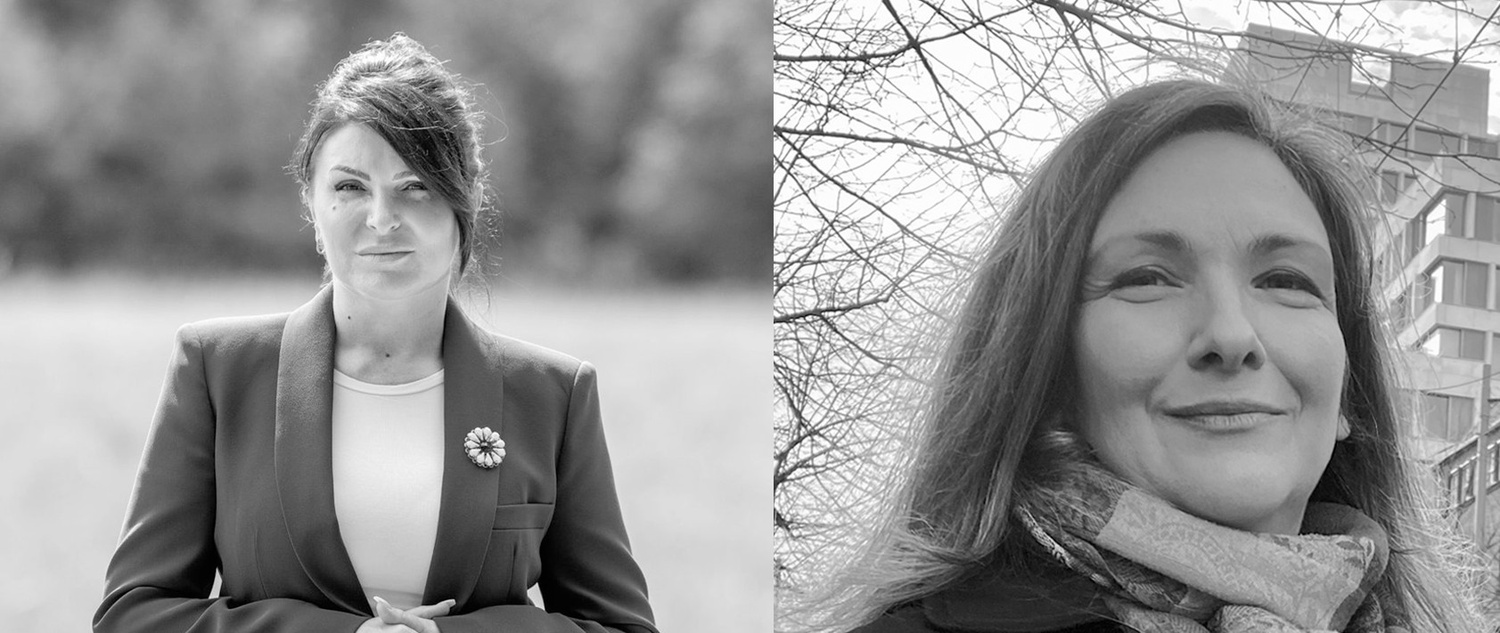
Muaz Redžić, Elvir Tabaković, Senada Cvrk-Pargan, and Lada Šoljan will take part in the panel.
Both Tabaković and Pargan are survivors of the Bosnian and Srebrenica genocides who reside in West Michigan. Pargan, who is also a poet and activist who works to combat genocide denial, lost 90 family members to the Srebrenica genocide – a period where Pargan endured and survived as a child.
“By bringing a male and female survivor… we will be able to learn about actual lived experiences and go beyond textbook learning,” Busch said. “The Srebrenica connection is important because, in preparation for the panel, the Shoah Committee showed the movie ‘Quo Vadis, Aida?’ about the targeted genocide in Srebrenica as a part of the Festival of the Arts.”
Busch noted that geography lecturer Marina Pavletić was in Croatia during the genocide and was able to share her own stories before and after the movie showing on Ferris State’s campus in February. Croatia was also targeted during the tragedies.
Tabaković was originally born in Dubrovnik, Croatia, to parents who wanted to leave their hometown of Žepa in Eastern Bosnia to start over as newlywed couple. After a brief return to Bosnia, his family settled in Rogatica before the war erupted in 1992, resulting in them becoming refugees and returning to Žepa.
His father was later killed in action in 1993 and was posthumously awarded the Golden Lily, the highest Medal of Honor in Bosnian army. After the fall of Zepa in 1995, as UN protected demilitarized enclave, Tabaković spent six months in a concentration camp in Serbia before immigrating to the United States and settling in Jenison, MI, with a foster family.
Redžić will serve as the moderator of the upcoming panel conversation, who is also the imam at the Bosnian Mosque and Cultural Center in Grand Rapids. Šoljan will join via Zoom, as she is an expert in international criminal law who played a role in prosecuting the perpetrators of the Srebrenica genocide while working in several division of the United Nations International Criminal Tribunal for the former Yugoslavia in the Hague.
Anyone who needs accommodation to attend this event should call (231) 591-5846 or reach out via email at least 72 hours in advance. Ferris State University is an equal opportunity institution. For information on the university’s policy on non-discrimination, visit this link.