

What is the difference between a crime scene investigator and a forensic biologist?
If you have ever been fascinated by how crimes are solved, you have likely come across careers like crime scene investigator (CSI) and forensic biologist. Both play a critical role in uncovering the truth, but they do so in very different ways.
From processing a crime scene to analyzing DNA evidence in a lab, solving crimes takes more than one type of expert. At Ferris State University, the Forensic Biology program prepares students to explore both sides of the investigative process, blending hands-on crime scene analysis with scientific discovery.
So what is the difference between a crime scene investigator and a forensic biologist, and how do these roles work together to uncover the truth? It comes down to one key idea: one career focuses on collecting the story, while the other focuses on decoding it through science.
Crime scene investigators: where investigations begin
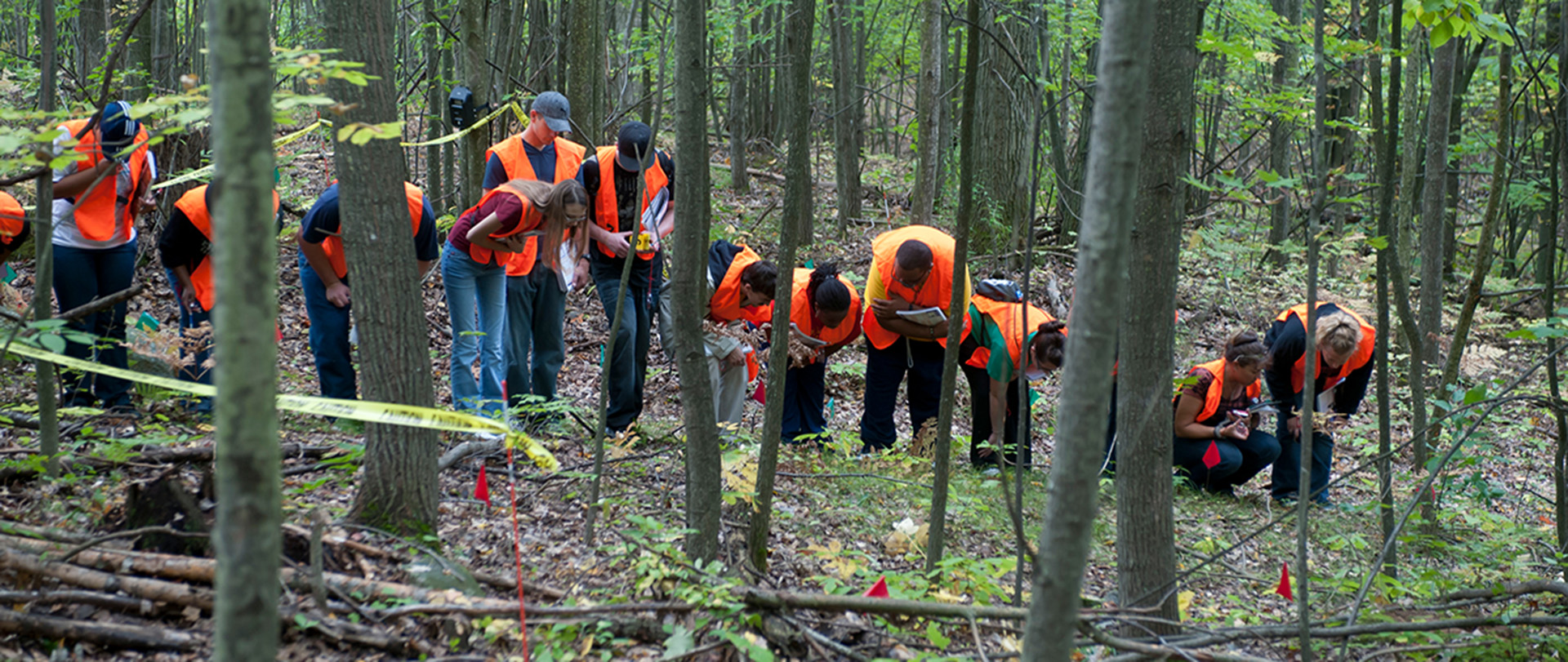
Crime scene investigators are the first to step into an active investigation. Once a scene is secured, they are responsible for documenting what happened and carefully collecting the evidence that will shape the entire case.
A CSI photographs the scene, documents key elements, and collects materials like fingerprints, fibers, and biological evidence. Every detail matters, because even small mistakes can impact how evidence is used later.
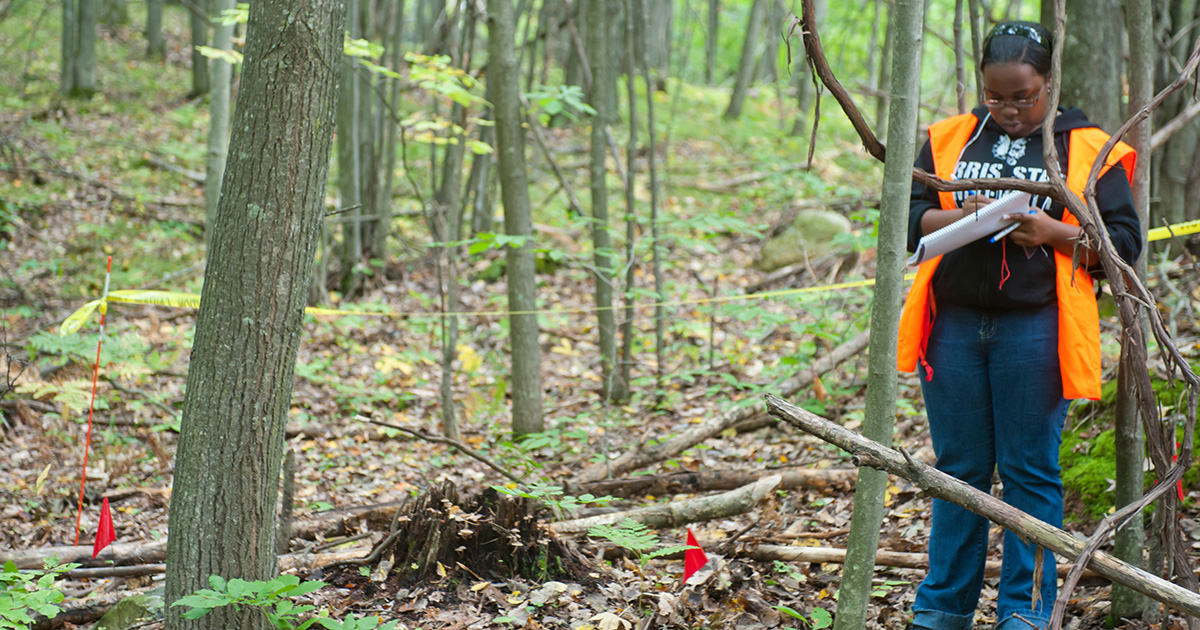
It is also a role that requires curiosity and focus. Rachel Smith, a 2023 graduate of Ferris State University and now a Forensic Technician in the DNA Unit for the Michigan State Police, emphasizes that every scene tells a story that investigators must piece together.
“This [crime scene] is telling a story, and it’s your job to determine what that story is,” Smith explained. Crime scene investigators are constantly analyzing their surroundings, asking questions, and thinking critically about what they see in real time.
Forensic biologists: Turning evidence into answers
Once evidence leaves the crime scene, forensic biologists take over.
Working in laboratory settings, forensic biologists analyze biological materials such as blood, saliva, and hair. Through techniques like DNA analysis, they uncover critical details that can identify individuals, link suspects to crime scenes, or eliminate certain possibilities entirely.
This is where science becomes the key to solving the case. As Smith explained, “Determining what the evidence is can be simple, but understanding how it is or is not relevant to solving the crime is what really matters.”
Forensic biology is both analytical and impactful. It requires a strong understanding of biology and chemistry, along with the ability to interpret data and communicate findings clearly. The work is often central to the outcome of an investigation.
CSI vs Forensic biologist: two roles, one goal
The difference between a crime scene investigator and a forensic biologist is not about which role is more important. It is about how each contributes to solving the puzzle.
Crime scene investigators work in the field, collecting and preserving evidence as it exists in the moment. Forensic biologists work in the lab, analyzing that evidence to understand what it reveals. Together, they form a complete process. One captures the evidence. The other explains it.
Where science meets investigation at ferris State University
For students interested in the laboratory side of forensic science, Ferris State University’s Bachelor of Science in Forensic Biology brings these two worlds together in a meaningful way.
In the program, students develop a strong foundation in biology while building in-demand skills in DNA analysis, evidence handling, and forensic laboratory techniques used in modern investigations.
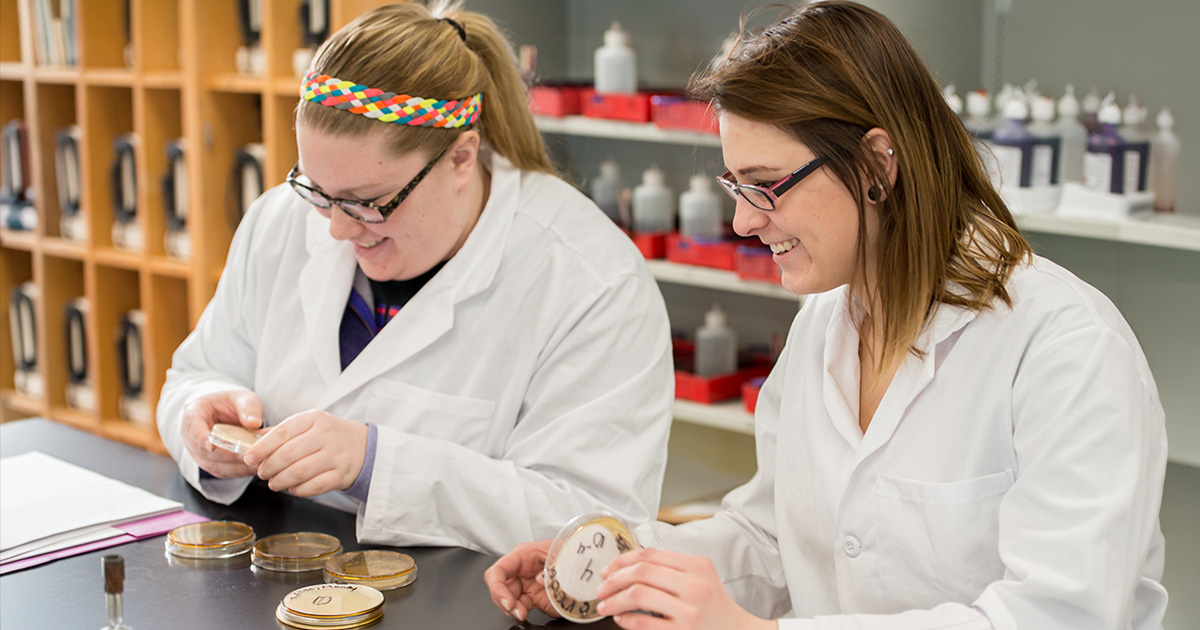
Through hands-on coursework and mock crime scene analysis, students gain experience that mirrors real-world scenarios. This includes studying decomposition, analyzing blood spatter patterns, examining gunshot trajectory, and practicing proper documentation of evidence in realistic investigative settings.
This combination of lab-based science and applied investigation helps students understand not just how evidence is collected, but how it is interpreted and used. As students often point out, this connection between fieldwork and lab analysis is what makes the learning experience feel real.
build skills that translate directly to your career
Ferris State’s forensic biology curriculum is designed to connect scientific theory with practical application.
Students explore areas such as:
- Forensic biology and DNA analysis
- Microbiology and biological evidence evaluation
- Human anatomy and physiology
- Laboratory techniques and instrumentation
- Crime scene science and investigative methods
- Criminal justice foundations
In addition to core coursework, students gain specialized experience through courses like forensic DNA analysis, science and crime, and field-based evidence documentation.
This approach helps students build a well-rounded skill set that prepares them for careers in forensic laboratories, law enforcement agencies, and related fields, as well as graduate or professional programs. Kinsley Worke, a current student in the program, says the structure of the coursework pushes students to think beyond memorization.
“It’s not just about learning the material. You’re expected to work through real scenarios, communicate with your team, and explain your results,” Worke said.
Hands-on experience that sets you apart
One of the defining features of the program is its emphasis on hands-on learning.
Rather than only studying concepts, students actively apply them in lab and simulated environments. Mock crime scene investigations allow students to connect classroom knowledge with real-world scenarios, building both technical skills and confidence.
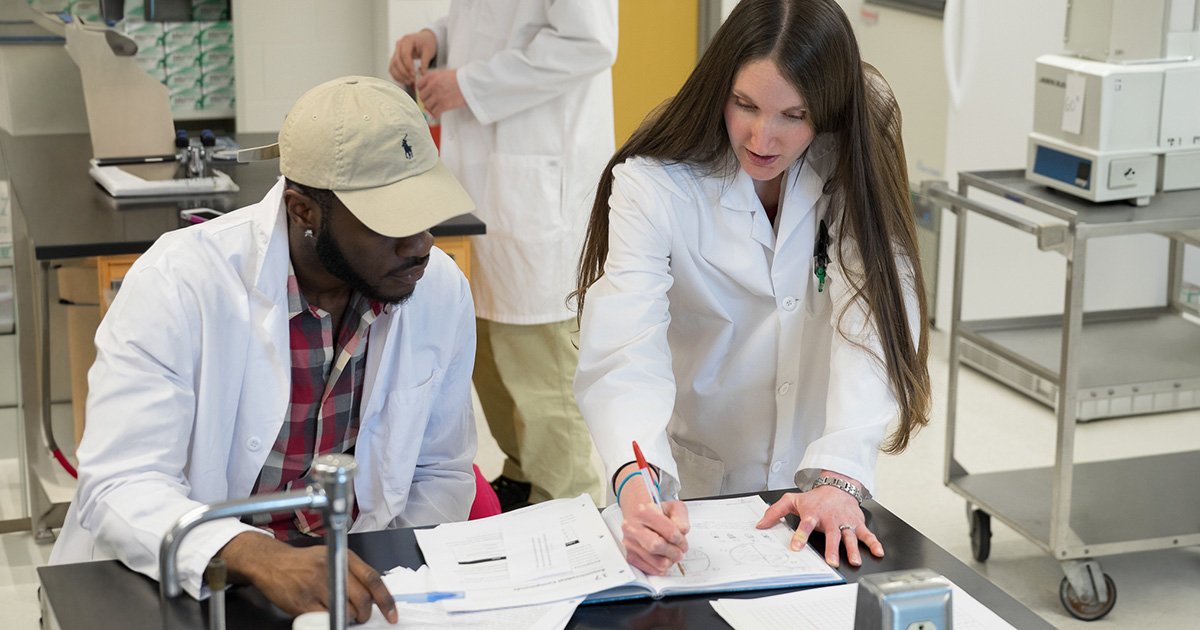
In a field where precision and critical thinking are key, experience matters. By graduation, students move beyond understanding forensic techniques to actively applying them in realistic investigative settings.
That real-world exposure is something students immediately recognize. Smith credits the program’s hands-on approach for building a well-rounded foundation.
“From crime scene documentation to techniques like PCR, you gain experience in how all the pieces of forensic biology fit together,” Smith explained.
Worke says that the same hands-on structure makes the learning experience feel more authentic and easier to apply.
“We didn’t just learn techniques in class. We applied them in the lab in ways that felt like real forensic work,” Worke said. “It made the material easier to understand and much more meaningful.”
Together, these experiences help students graduate with both confidence and a clear understanding of what to expect in the field.
turn your interest in forensic science into a career
Forensic science is a field driven by curiosity, precision, and purpose. Whether you see yourself in the field or in the lab, the right education can help you get there.
At Ferris State University, the Forensic Biology program prepares you with the scientific knowledge, hands-on experience, and real-world skills needed to succeed in this growing field.