

Criminal Justice Degree at Ferris State: One program, three career paths
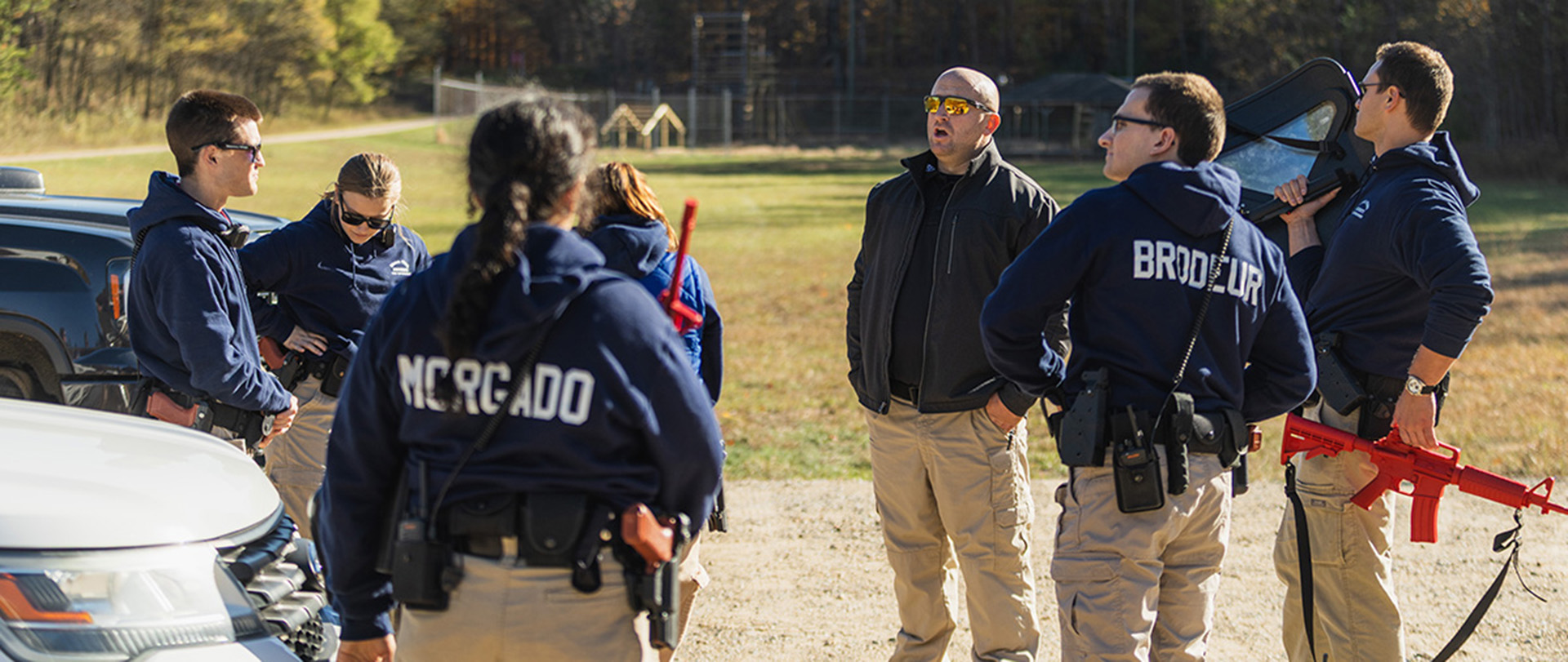
A criminal justice degree can lead to far more careers than what most people see on television. Today’s criminal justice professionals need both academic knowledge and real-world experience. This includes law enforcement, corrections, courts, probation, and community programs.
Ferris State University has long been recognized as a national leader in the criminal justice field. The undergraduate Criminal Justice program helps students prepare for a wide range of criminal justice careers. The CJ program offers applied learning, hands-on training, and three career-focused tracks, all in one flexible bachelor’s degree.
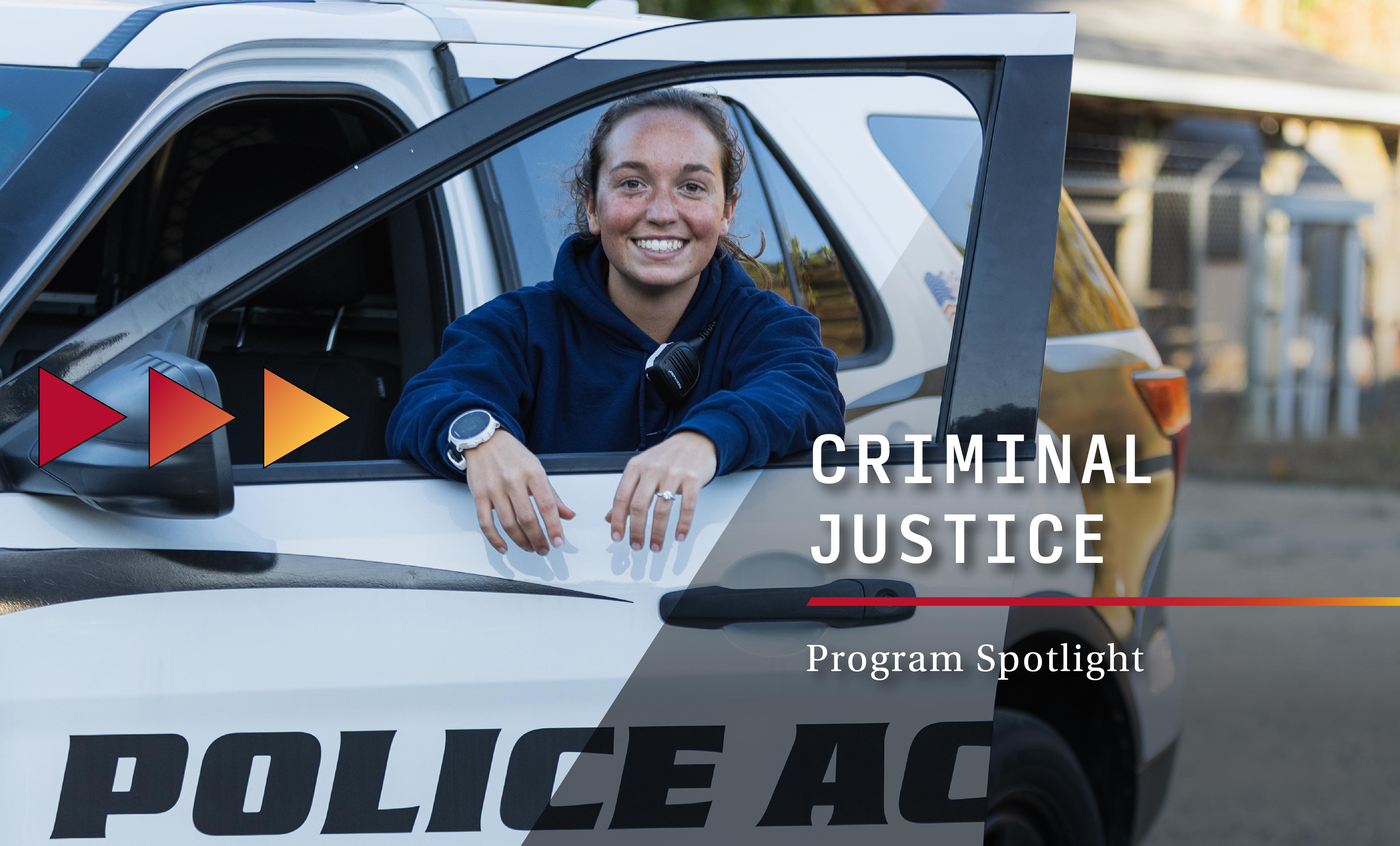

One Criminal Justice Degree, Three Career Tracks
Criminal justice careers extend well beyond traditional policing roles. Law enforcement is often the most visible part of the system. However, the justice field also needs professionals in courts, correctional facilities, juvenile justice, private security, and community programs.
Ferris State’s Criminal Justice program prepares students for this reality by offering three specialized tracks within one degree: Law Enforcement, Corrections, and Generalist. This helps students learn about the justice system and build the skills for a specific career that matches their goals.
John Walsh, Chair of the School of Criminal Justice, says the program is designed to show the field's diversity.
“With our three degree tracks, students are able to specialize in one of the many areas of criminal justice that they are most drawn to, while also building the foundational skills and knowledge that every criminal justice professional needs.”
A Shared Foundation with Career-Focused Specialization
All Criminal Justice students at Ferris State start with a common academic base. They study criminal law, ethics, human behavior, and how the justice system works. This core curriculum helps students understand how different areas of the justice system work together.
As students move forward, they adjust their coursework to fit their chosen path. This helps them gain more knowledge and practical skills in their area of interest. This approach ensures graduates are both well-rounded and career-ready.
Law Enforcement Track: Graduate Police Academy-Ready
For students who want a career in policing, the Law Enforcement track provides a focused path. During the fourth year of the program, students receive further hands-on training in the law enforcement academy.
“When they successfully finish the academy," Walsh said, "students are eligible to take the Michigan Commission on Law Enforcement Education Examination, which makes them eligible to become a law enforcement officer in Michigan.”
Senior CJ student Taylor Huntoon is working on the Law Enforcement track. She sees the combined degree-and-academy model as a major advantage.
“With the law enforcement track, your senior year is the academy,” Huntoon said. “When you graduate, you’re certified through the academy and you also have your bachelor’s degree. That puts you ahead when entering the job market.”
Huntoon credits Ferris State for its focus on scenario-based training, legal knowledge, and community engagement. This support helps her feel confident and ready.
“Ferris has prepared me not just to be a police officer, but to be a community-oriented police officer who puts people first.”
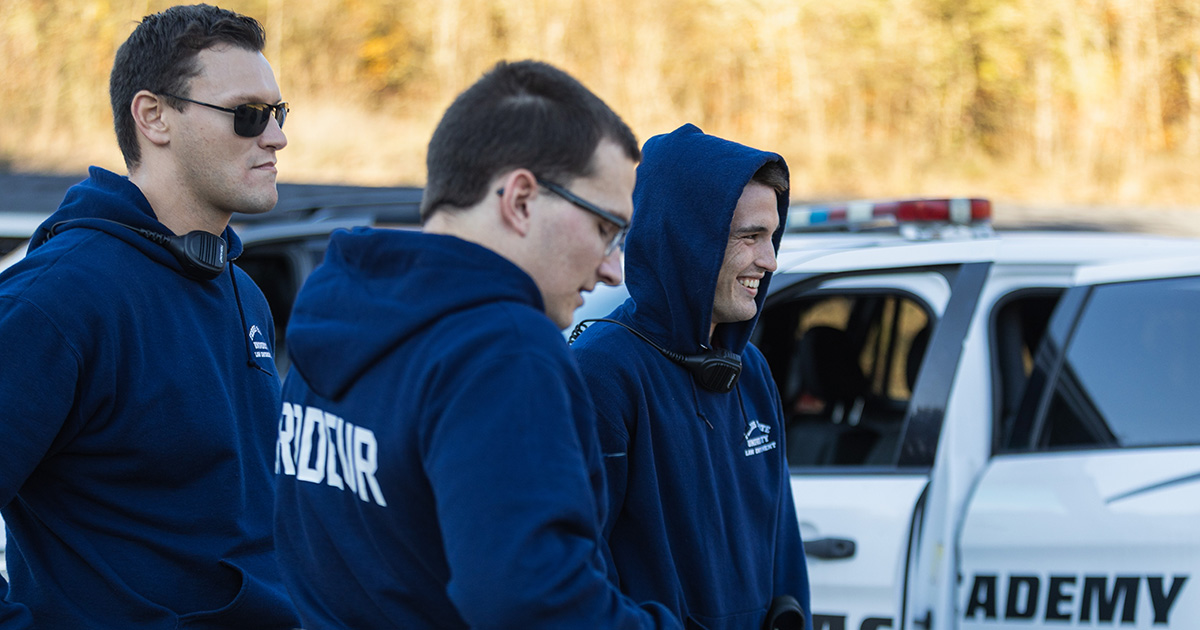
Corrections Track: Prepare for Rehabilitation and Institutional Careers
Students interested in rehabilitation, institutional systems, and offender management often choose the Corrections track. This pathway prepares graduates to work in local jails, state prison systems, and correctional institutions.
According to Walsh, students in this program graduate with the credentials to work in the Michigan Department of Corrections and similar agencies. They're ready for the workforce immediately after graduation.
Generalist Track: Explore the Full Criminal Justice System
The Generalist track gives students the chance to explore different areas of criminal justice. It is also a great option for those who want to continue their studies in graduate school. Coursework spans policing, courts, corrections, and juvenile justice, helping students identify where their interests and strengths align.
This track helps with careers in probation, parole, juvenile justice, private security, court administration, and community roles. It also gives a strong foundation in criminal justice.
Real-World Experience Through Hands-on Internships
A required internship is a key part of the Criminal Justice program, giving students hands-on experience before graduation.
“We place students all over the state of Michigan,” Walsh said. “Many return to their hometowns to work in policing, courts, corrections, private security, and related fields to see if this is truly the right career for them.”
These internships help students make professional connections. They can use what they learn in class in real-life situations. This hands-on experience builds their resume and helps them launch their career right away.
“Our role is not only educating students,” Walsh added, “but helping them move forward with their lives and the careers they’re interested in.”
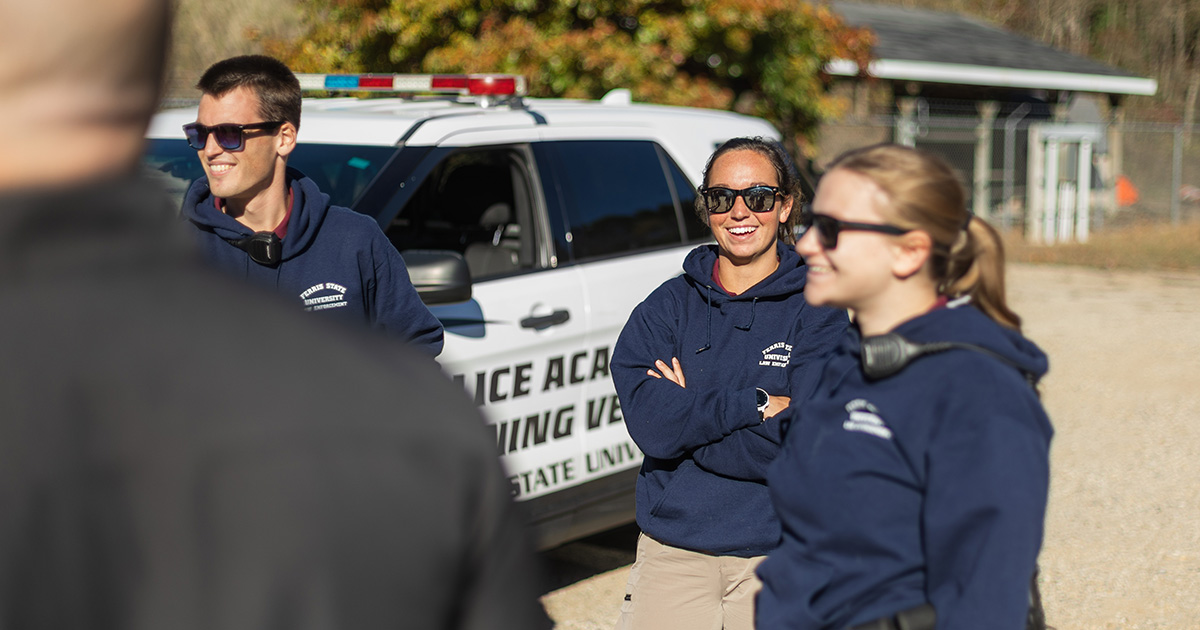
What Can You Do with a Criminal Justice Degree from Ferris State?
Graduates of Ferris State University’s Criminal Justice program pursue careers such as:
- Police officer or deputy sheriff
- Probation or parole officer
- Correctional officer
- Juvenile justice professional
- Court or legal system staff
- Private security specialist
Many graduates also continue into graduate programs in criminal justice, law, or public administration.
Prepare for a Career That Makes an Impact
Ferris State University offers different career paths within one Criminal Justice degree. This allows students to explore their interests. They can gain practical experience. It also helps them prepare for important careers that benefit people and communities.