

A Bachelor of Science versus a Bachelor of Arts in Criminal Justice

You may already know you want to apply to a criminal justice degree program. But it can be hard to see the difference between a Bachelor of Arts and a Bachelor of Science in Criminal Justice. Both degrees can lead to careers in law enforcement, law, and public service. However, there are major differences between a BA and a BS that are important for every CJ student to consider.
Bachelor of Arts in Criminal Justice
A BA in criminal justice offers a broad education in the CJ field. This degree combines theory with general education and liberal arts classes. It is ideal for students who want to go to graduate school, do research in the criminal justice system, or work in policy.
Bachelor of Science in Criminal Justice
A BS in criminal justice focuses on the technical aspects of the field. A BS degree in criminal justice offers hands-on learning that reflects real-world professional practice.
This hands-on approach is key to the top criminal justice programs. One example is the BS program at Ferris State University. Professor John Walsh explains, “Ferris State's mission is to provide professional development and career readiness for employment. To meet this mission, Ferris State offers a bachelor of science degree in CJ.”
At Ferris State, criminal justice students can specialize their bachelor of science degree. They can choose one of three tracks: generalist, law enforcement, or corrections.


Real-World Experience in Criminal Justice
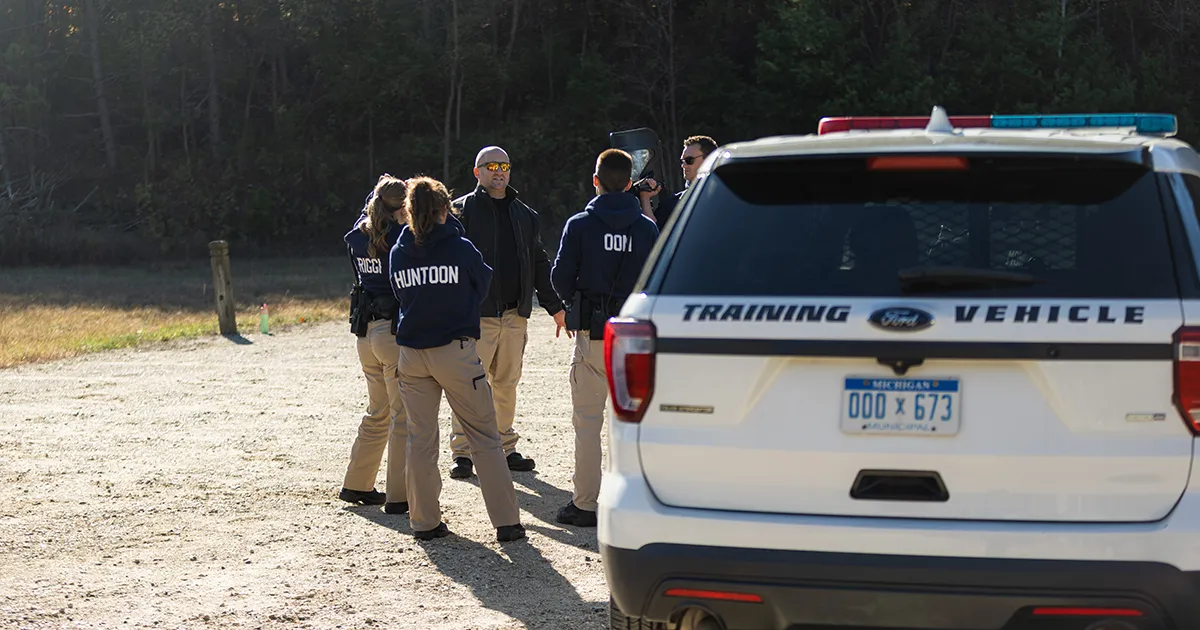
“When students start college, they usually have lecture-based classes,” says Ferris State CJ Professor Michael Mendenhall. “We add hands-on learning in the student’s first year. We start by teaching students how to handcuff properly, take notes, and write a police report.”
The best bachelor of science degrees have a strong focus on real-world learning in the criminal justice field.
For those focused on law enforcement careers, this may include courses in precision driving, firearms training, physical defense.
Hands-on experience is also important for students interested in other areas of the criminal justice field. At Ferris State, all CJ students complete a required internship. This helps them apply their knowledge in real-world settings and build a professional network.
“We place people across Michigan in policing, courts, corrections, and private security jobs,” says Professor Walsh. "They try these roles to see if they really want this career.”
Common Types of Criminal Justice Internships
Police Department Intern – Assisting with administrative tasks, community outreach, records, or ride-along observations with law enforcement officers
Sheriff’s Office Intern – Supporting jail operations, court transport coordination, or community programs
Probation or Parole Office Intern – Helping officers track case files, attend meetings, and observe supervision processes
Corrections Facility Intern – Working with staff on inmate programs, reentry initiatives, or facility operations
Court Administration Intern – Assisting clerks, observing hearings, and learning how cases move through the court system
Prosecutor’s Office Intern – Supporting case preparation, research, and victim-witness coordination
Public Defender or Legal Aid Intern – Helping with intake, case organization, and legal research
Victim Advocacy or Crisis Center Intern – Supporting survivors, assisting with resources, and learning about trauma-informed services
Juvenile Justice or Youth Services Intern – Working with diversion programs, mentoring initiatives, or youth rehabilitation efforts
Community Corrections or Reentry Program Intern – Assisting organizations that help individuals transition back into society
Homeland Security or Emergency Management Intern – Supporting preparedness planning, training exercises, or public safety coordination
Private Security or Corporate Investigations Intern – Learning about loss prevention, risk management, or internal investigations
Crime Analysis or Intelligence Intern – Assisting with data entry, mapping, and trend analysis to support investigations
Nonprofit or Community Outreach Intern – Working with organizations focused on violence prevention, restorative justice, or neighborhood safety
Working Side-by-Side with Criminal Justice Experts
Faculty experience is another feature of top bachelor of science programs in CJ. Walsh explains, “All our faculty have the right degrees, research, and publishing credentials found at many other universities. The difference is that they also have strong experience working as criminal justice professionals in the field.”
Ferris State CJ faculty members have practiced criminal law in Michigan. They have served in state and local police departments. They have worked in institutional corrections.
Understanding the difference between a BA and a BS in criminal justice helps students choose the best degree for their goals. A bachelor of arts degree suits those who want to explore legal theory. A bachelor of science is a better choice for hands-on learning and field experience.