Message from the Director

Friends and Colleagues:
On behalf of the Office of Research and Sponsored Programs, I am delighted to report that FY25 was one of the most successful in our history for awarded grants, sponsored projects and research.
Our dedicated faculty, staff and students are pursuing innovative ways to advance teaching, research and creative works to solve real-world problems that are both relevant and responsive.
With over $13 Million in new grant awards, this impactful work spans 13 different Colleges and Units across our campuses.
These projects provide a wide range of high impact opportunities for students to succeed – in our classrooms, honors programs, undergraduate research laboratories or abroad. All of this work fits the vision outlined by our Ferris founders 140 years ago.
This work is also being recognized by our national peers. In 2025, Ferris was designated as 1 of only 479 institutions identified as Carnegie Opportunity Colleges and Universities, representing 16% of all U.S. colleges and universities that are in the Student Access and Earnings Classification.
Below is a snapshot of FY25 successes across campus:
FY25 Highlights
- Celebrated our 12th year of hosting the Summer Student Fellows Program for over 150 students and faculty mentors.
- Hosted the University-wide Annual Celebration of Student Research and Creative Activities,
where nearly 100 student authors presented their projects representing 14 Colleges
and units.
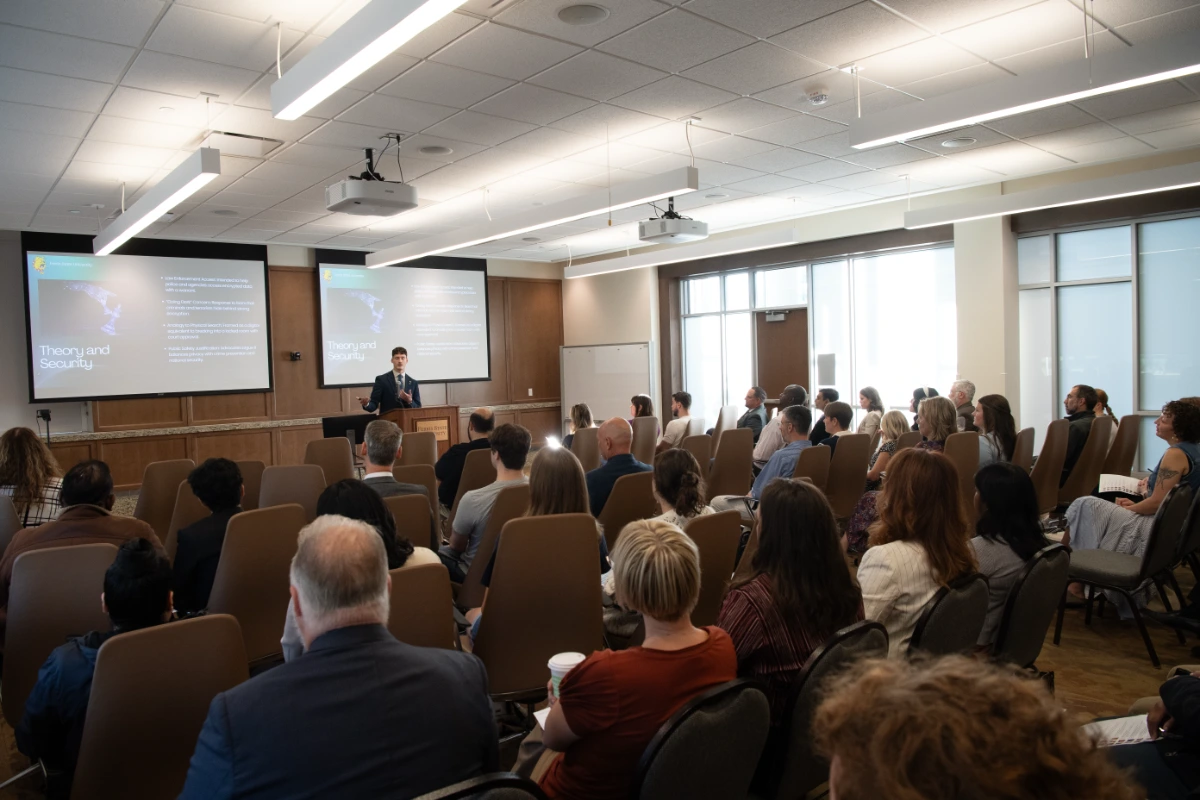
Ferris State students and faculty attending the Celebration of Student Research and Creative Activities presentations
- Secured over $13 Million in sponsored grants and funding to advance research.
- Expanded research in education and health care: Our Institutional Review Board (IRB) continues to play a critical role in educating the campus community on research involving human subjects. These projects range from educational scholarship to medication usage and health outcomes research being carried out by our students and faculty. Under the leadership of the IRB Chair (Dr. David White) and Research Compliance Officer (Maureen Wawsczyk), new research projects involving nursing, pharmacy, education, and learning innovations are managed and approved by the IRB. These projects are often required as part of advanced, graduate-level, doctoral and master’s degree programs.
- Professional Development: The IRB provides a wide range of education and training
opportunties in areas such as:
- IRB & IBC Committee overview
- FERPA & IRB Research
- Conflicts of Interest in Research
- Overview of Research Agreements
On behalf of the grants and research team at Ferris, we look forward to celebrating all our campus champions as we move Ferris Forward!
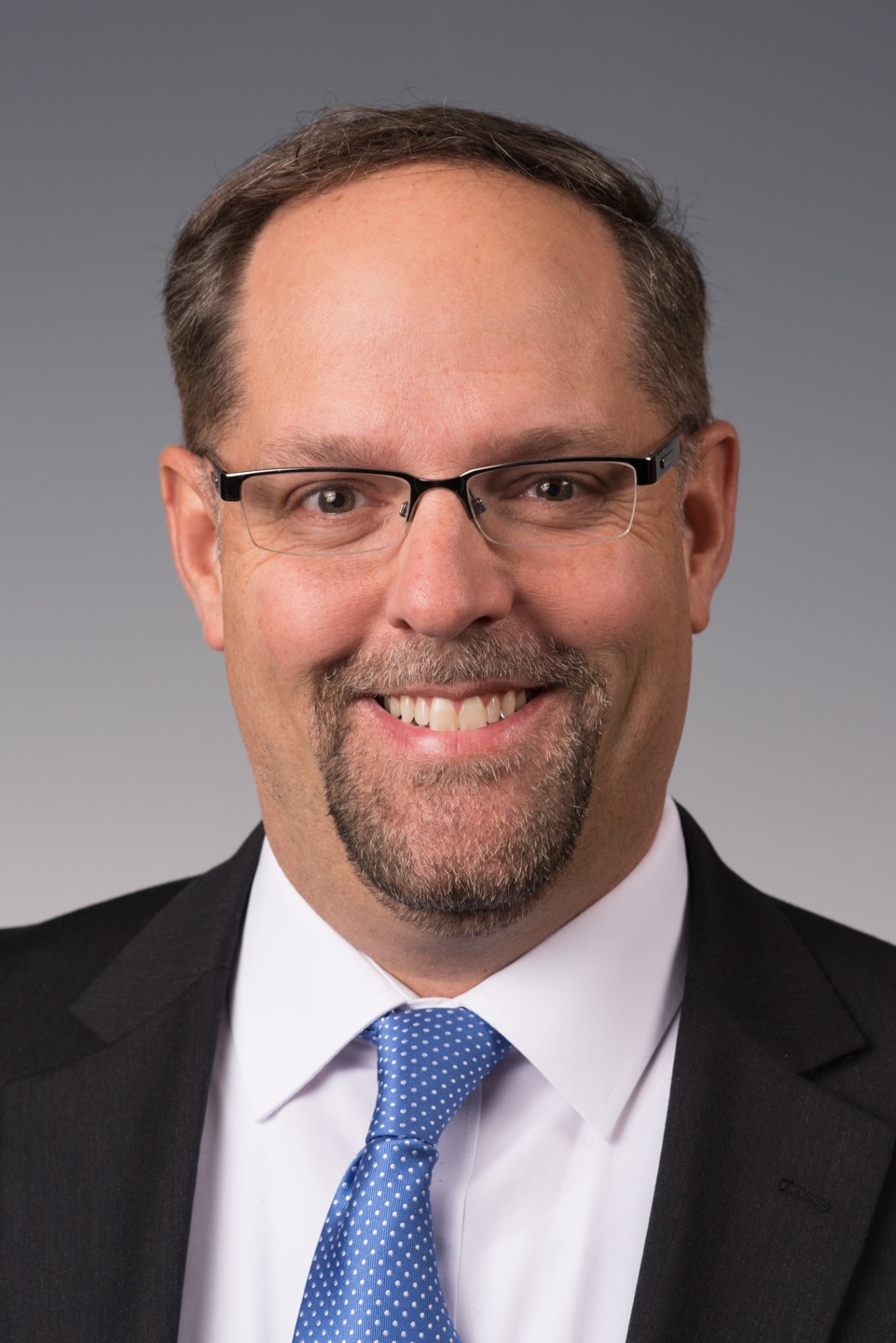
THOMAS Dowling, Ph.d.
Director, Office of Research and Sponsored Programs
Key Impacts
99
New IRB Applications
22
Funded Grants and Contracts
$13,244,637
FY25 Funding
Impact Stories
 Dr. David McCall (L) and Jenny Jakulin, First-Gen administrator (R)
Ferris State Receives 5-year, $2 Million Grant from US Dept. of Education to Support First Generation Students

Led by Dr. David McCall, associate professor of Interdisciplinary Studies and First-Gen workgroup team leader, this Title III grant aims to support First-generation students at Ferris State University, to overcome obstacles and be successful. Over a five-year period, this $2 million federal grant will support First-generation students whose parents did not complete bachelor’s degree studies in the United States. An estimated 3,000 students meet that description across the University. “We know that two-thirds of those first-gen students are from low-income families, so our Title III funding from the U.S. Department of Education should be very impactful and value-adding to break down barriers and obstacles to these students’ success,” McCall said. The grant funds will support hiring a director of first-generation programming who will facilitate peer coaching and mentoring, intrusive advising, utilizing the CliftonStrengths assessment tool and organizing enrichment programs. During the first year of the grant, a first-generation wellness coordinator will be hired to engage students before they arrive at Ferris, support them in their time on campus and continue assistance as they move on to their career. “Wellness, in this position, means advising students on their academic and financial considerations, along with offering support that builds their wholeness and readiness to learn and excel", said McCall. McCall is excited about plans to provide professional development events for first-gen students, and academic support through the NetTutor program, a virtual program staffed 24/7 by professionals who can respond to questions for more than 150 subjects. Other facets of the first-gen plan designed to build on student experiences include the leadership distinction program, Career Launch, and establishing a first-gen faculty-in-residence position. In collaboration with the Faculty Center for Teaching and Learning, "there will be an emphasis on having instructors consider their teaching through the lens of a first-gen student,” McCall said. “We anticipate collaboration for these initiatives across our campus, involving the Academic Support Center, the Office of Student Success Initiatives, and First-Gen Champions from each of our colleges, who will receive stipends thanks to this grant.” Other long-range considerations for the program include interns from Ferris State’s Social Work program to engage with and support students and creating a first-gen support center. “A space of their own can be an important piece of helping students feel they belong and are valued,” McCall said. “Some students may not have their own computer, and we hope to have laptops available for them to use and borrow when this center is established.”
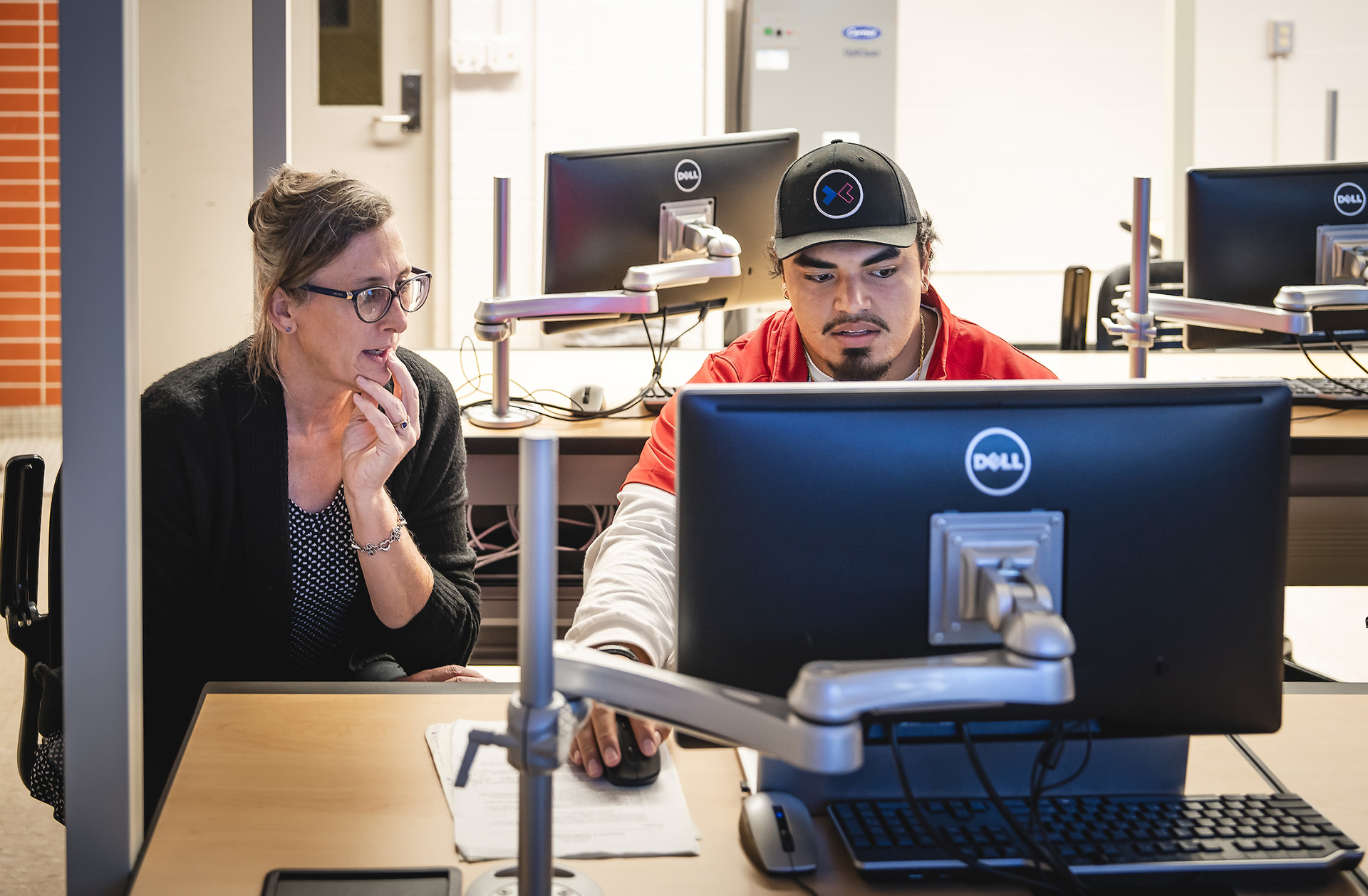 Ferris State Awarded $857,000 in Funding from the Michigan "Sixty by 30" Student Success
Program
Ferris State Awarded $857,000 in Funding from the Michigan "Sixty by 30" Student Success
Program
The goal of the State of Michigan's Sixty by 30 program is to "increase the number of working-age adults with a skill certificate or college degree from 51.8% today to 60% by 2030." Jobs requiring skilled employees today and in the future demand greater education and training than ever before. Increasingly, the best jobs require more than a high school diploma. The Ferris grants will provide opportunity and greater access to the education and skills that create opportunities for better jobs and bigger paychecks, and help make Michigan more competitive for inclusive economic growth. Two 3-year grants were awarded to Ferris, under the leadership of Dr. Jason Bentley, and will help close the skills gap that poses the single greatest threat to the success of businesses and the state’s prosperity. The 3-year "College Success - Accelerate" grant will build on prior studies to create the Ferris Center for Advising Advancement (FCAA). The FCAA is a three-tiered set of initiatives to enhance academic advising practices, improving support for students and increasing persistence and graduation rates. The FCAA will enact a comprehensive professional development agenda for nearly 250 academic advisors and enable a more quality-assured experience for students. In this model, 12 advisors will be developed and serve as advising fellows to help administer PD, assessment, and standards.
The "Barrier Removal - Growing Institutional Capacity" grant will support building long-term, systemic solutions for student basic needs like food, housing, childcare, and mental health services. This $399,703 investment focuses on Ferris State University's efforts to address student food and housing insecurity through the Bulldog Basic Needs Alliance (BBNA). This initiative began in 2020 and has already made significant contributions, such as providing over 1,460 meal passes and $10,000 in rental assistance. The project will expand with the opening of an on-campus food pantry, the Bulldog Pantry, in early FY25. The key goals are to reduce student food and housing insecurity, decrease conduct incidents, and improve retention and graduation rates. Funds will be used for full-time Care Coordination to manage BBNA and the Bulldog Pantry, student employment, volunteer training and recognition, collaboration with Feeding America of West Michigan (FAWM) and local vendors to provide fresh groceries. This will also include a marketing campaign to raise awareness of BBNA resources and the Bulldog Pantry, and pilot programs to address housing insecurity. The team will launch a vehicle repair and transportation voucher program at the campus automotive service center.
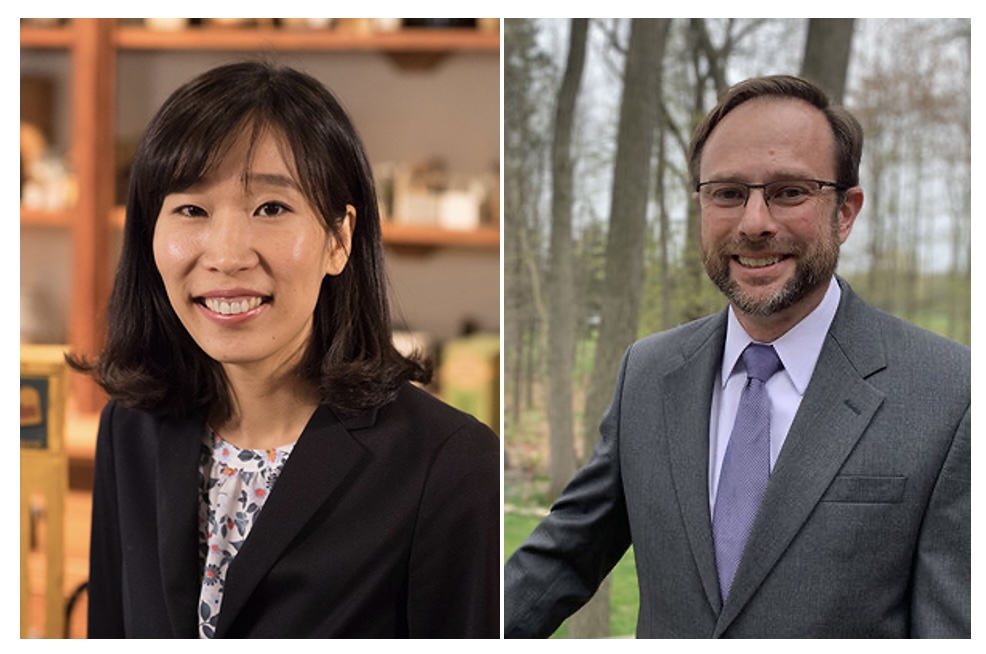 Dr. Minji Sohn (L), Dr. Mike Klepser (R).
CHARM Project Receives 3-year, $319,435 grant extension from MDHHS
In accordance with the Centers for Disease Control and Prevention, Strengthening HAI/AR Program Capacity funding awarded to the Michigan Department of Health and Human Services (MDHHS), MDHHS has awarded $319,435 to Ferris State University for partnership on Antimicrobial Stewardship Projects, for "Collaboration to Harmonize Antimicrobial Registry Measures (CHARM)". Under the direction of Drs. Minji Sohn and Michael Klepser, Professors in the College of Pharmacy, the 3-year project involves tracking and reporting core elements of antimicrobial stewardship. Outpatient practice sites and health care facilities (including independent practice, urgent care, and emergency department, dental and veterinary clinics) are recruited to participate in CHARM data collection. The project will also pilot tele-AMS programs with rural health clinics. The project team will track and report the number of facilities participating in the program, the number of communications with the facility, the number of interventions, and the summary of intervention types each quarter. Each partner will receive a unique CHARM data dashboards for monitoring site metrics with a goal of improving antibiotic usage patterns and addressing public health concerns associated with antibiotic resistance.
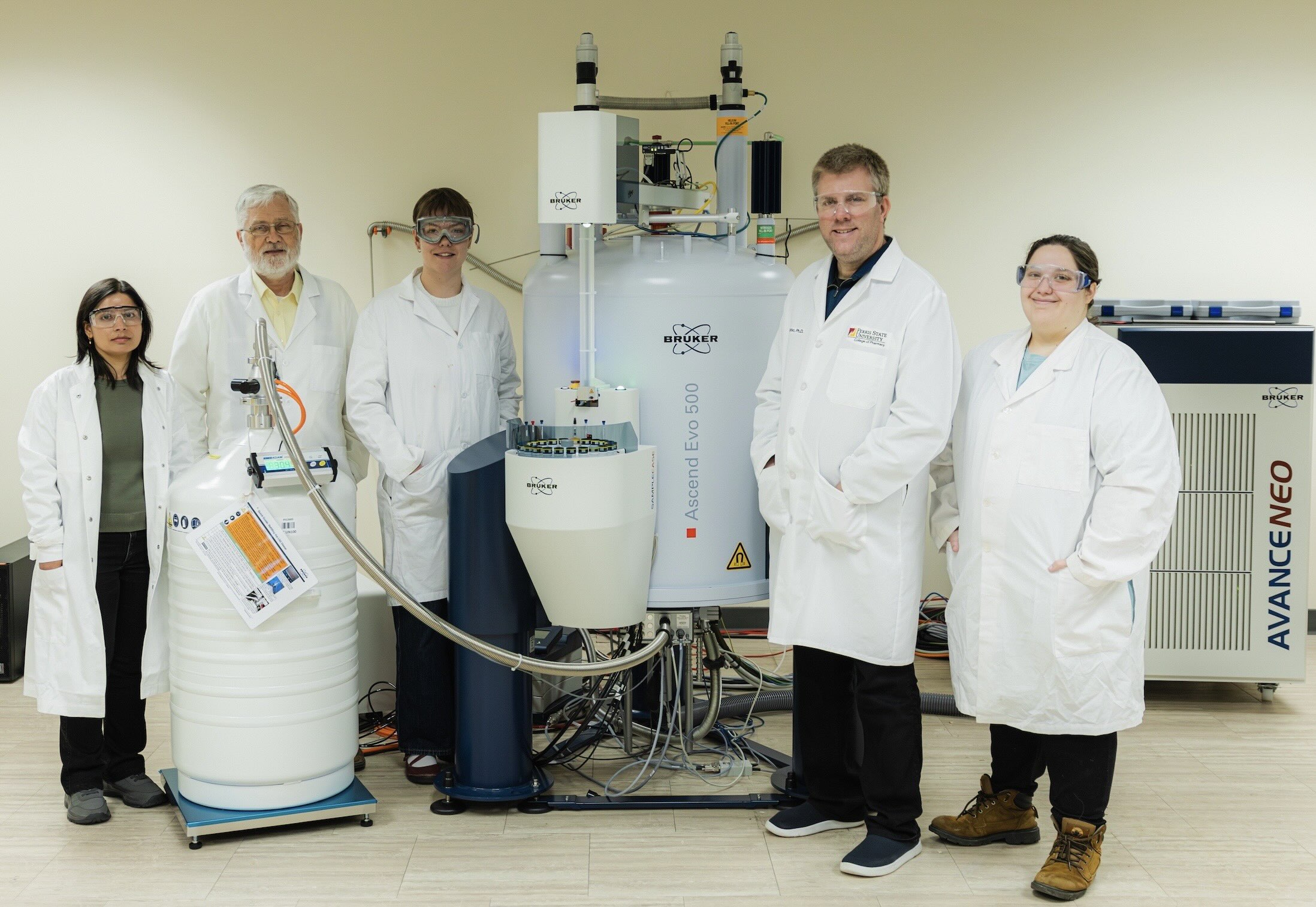
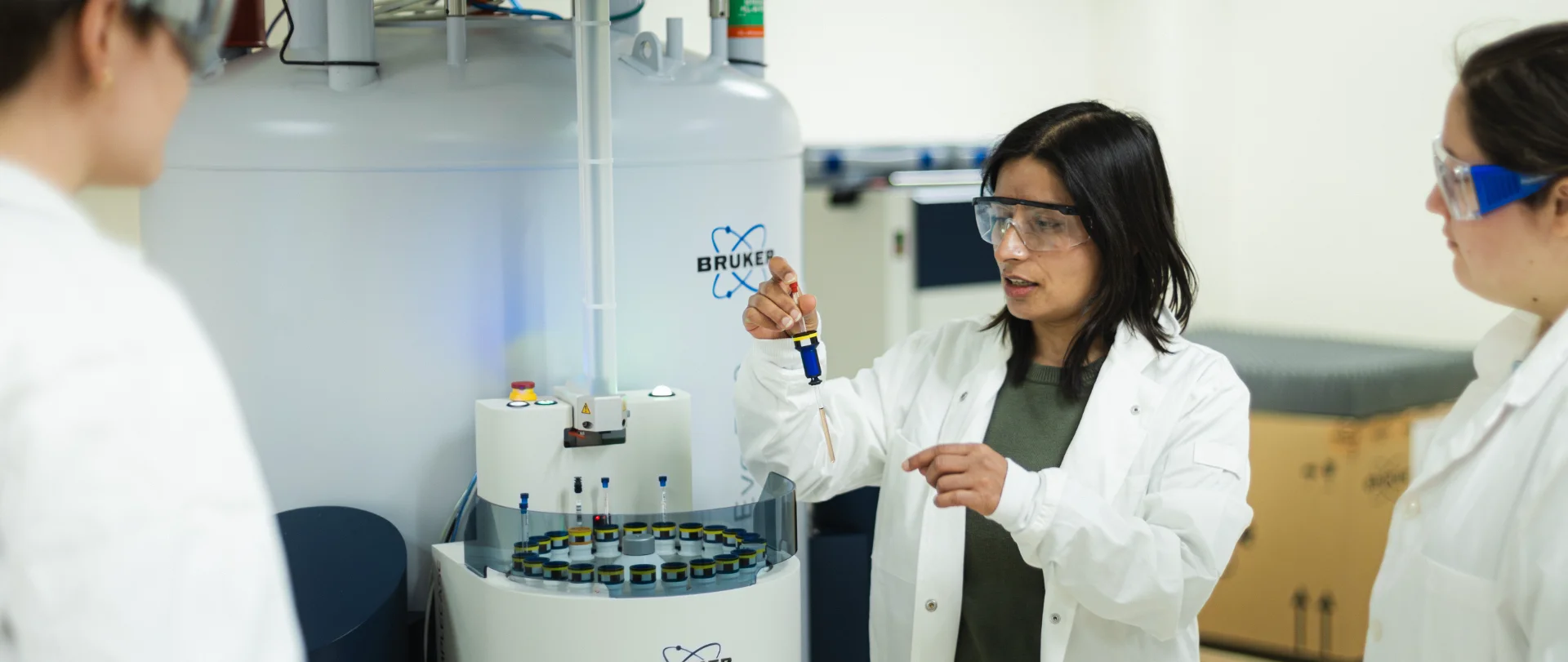
Members of NMR Core Lab Team (R-L): Dr. Namrata Khanal,
Dr. Sky Pike, Sophie Derusha (Senior, CASE Biotech major),
Dr. Eric Nybo, Senna Andrews (Senior, CASE Biotech major).
Ferris Receives $1.92 Million to Expand State-Of-The-Art Research in Drug Discovery and Chemical Analysis
FY25 ORSP Results
New Grant Funding FY2020-FY2025
Grant Funding By Unit (FY2025)
FY25 IRB Results
New IRB Applications by Unit
Zero-value categories: CET (0), KCAD (0)
IRB Actions
Zero-value categories: Incidents (0)